

The holiday season is the perfect time to explore foods and drinks that are deeply rooted in culture and tradition. From creamy festive beverages to sweet spiced desserts, every country offers special treats that make the holidays feel unique and magical.
Trying these foods is not just about tasting something delicious it is about connecting with the stories and traditions behind them.
Here are five must try holiday foods and drinks from around the world.
Coquito – Puerto Rico
Origin
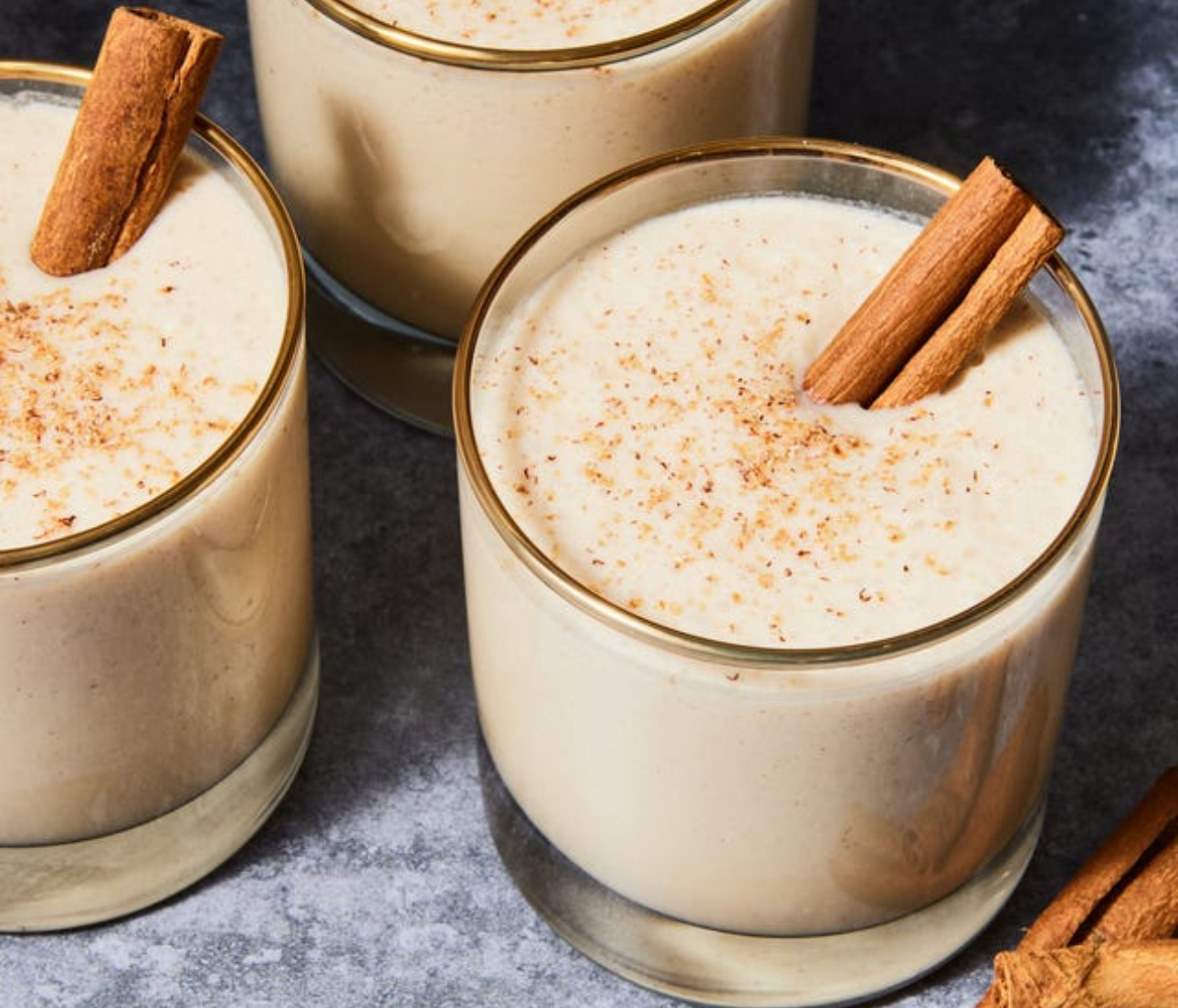
Coquito in Puerto Rico and Cremas or Takito in Haiti are creamy coconut based alcoholic drinks that are essentially the Caribbean version of eggnog. These drinks date back to colonial times when European eggnog style beverages were adapted using tropical Caribbean ingredients like coconut.
Over time, each island created its own version, which is why Puerto Rican Coquito and Haitian Cremas are similar but still distinctly part of their own culture.
Holiday Tradition
Coquito and Cremas are more than just drinks. They are a holiday ritual. Families usually make large batches together before Christmas Eve, and bottles are shared with friends and relatives.
Sipping the drink throughout the holiday season is part of the celebration, but making it together is just as important as drinking it. This tradition brings everyone together and creates a sense of community and festive spirit.
“It’s absolutely delicious, and when made right, sometimes with a few mint leaves, man, you have the perfect holiday drink. Ask a friend for a bottle or make your own. Not to be biased, but if it isn’t made by a Haitian, Puerto Rican, Mexican mom, or a woman who knows what she’s doing, I’m not drinking it. I’m sorry, but I’ve seen others try, and they mess it up every time.”
Here’s a video showing you how to make it:
Soup Joumou – Haiti
Origin
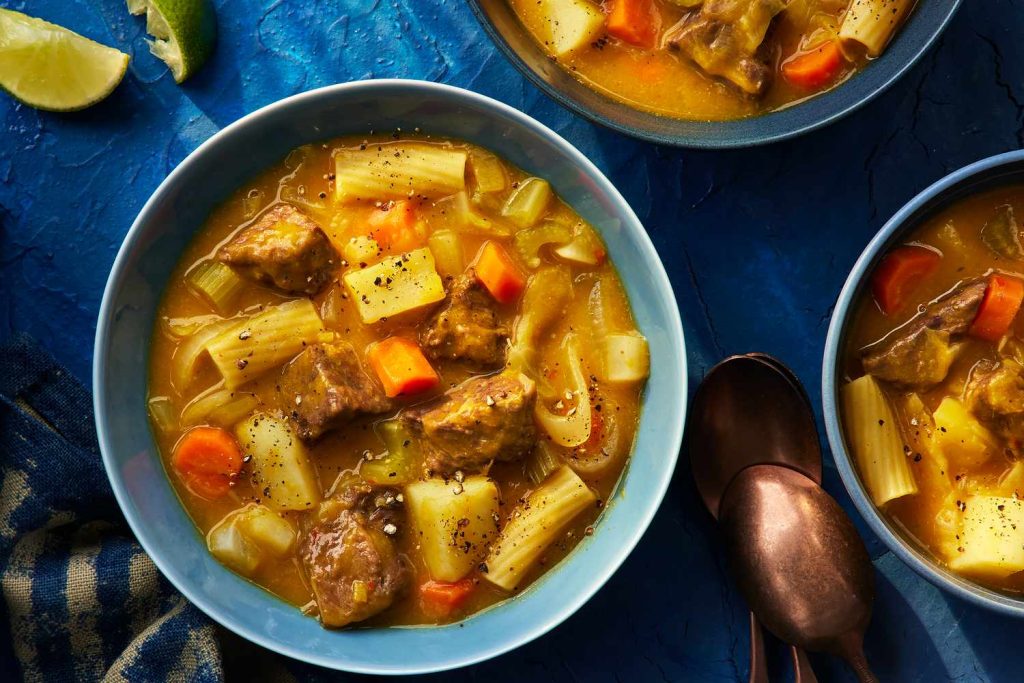
Joumou soup is a traditional Haitian pumpkin soup that dates back to the country’s independence in 1804. During colonial times, this soup was reserved for French colonists, while enslaved people were forbidden from enjoying it. After Haiti gained independence, the soup became a symbol of freedom and resilience, celebrated every January 1st to honor the nation’s liberation.
Holiday Tradition
Joumou soup is more than a meal. It is a holiday ritual that brings families together on New Year’s Day. Making the soup is often a group effort, with multiple generations participating in peeling, chopping, and simmering the ingredients. Serving and sharing the soup represents unity, gratitude, and celebration of Haiti’s history and culture.
“If you’ve never tried it, you have to! I get at least four plates when my mom or family makes it. Yes, at least four. I love it too much.”
Here’s a video showing you how to make it:
Ponche Navideno – Mexico
Origin
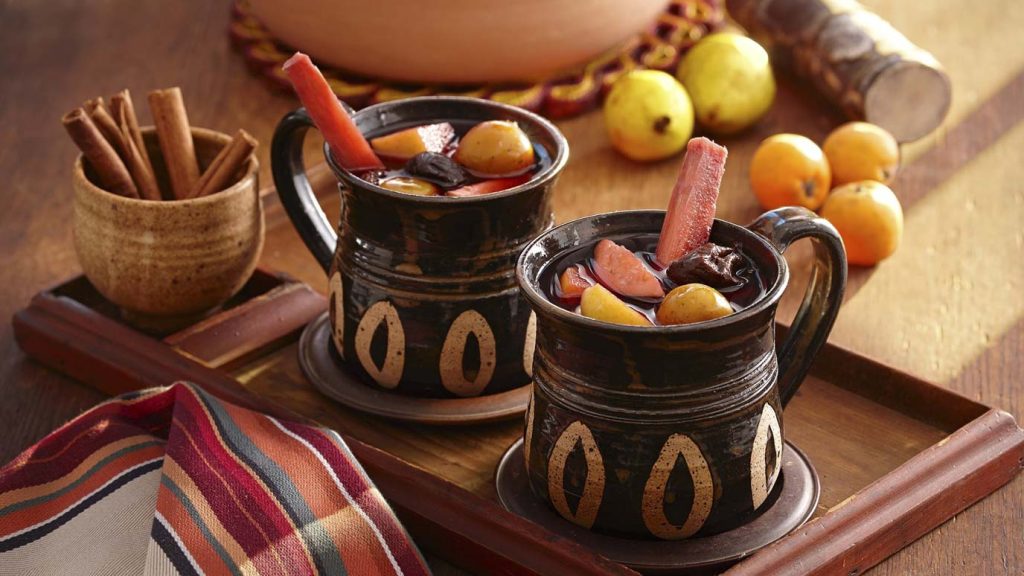
Ponche Navideño is a warm fruit punch that is a staple in Mexican households during Christmas. The drink dates back to colonial Mexico, when Spanish settlers combined European fruit punch recipes with local tropical fruits. It quickly became a holiday tradition and a symbol of warmth and togetherness.
Holiday Tradition
Families prepare Ponche Navideño together on Christmas Eve, sometimes in large cauldrons. Sharing it is part of the holiday ritual, often accompanied by tamales or other festive snacks. Drinking it is about more than taste; it is about spending time together and enjoying the holiday spirit.
Here’s a video showing you how to make it:
Pan de Pascua – Chile
Origin
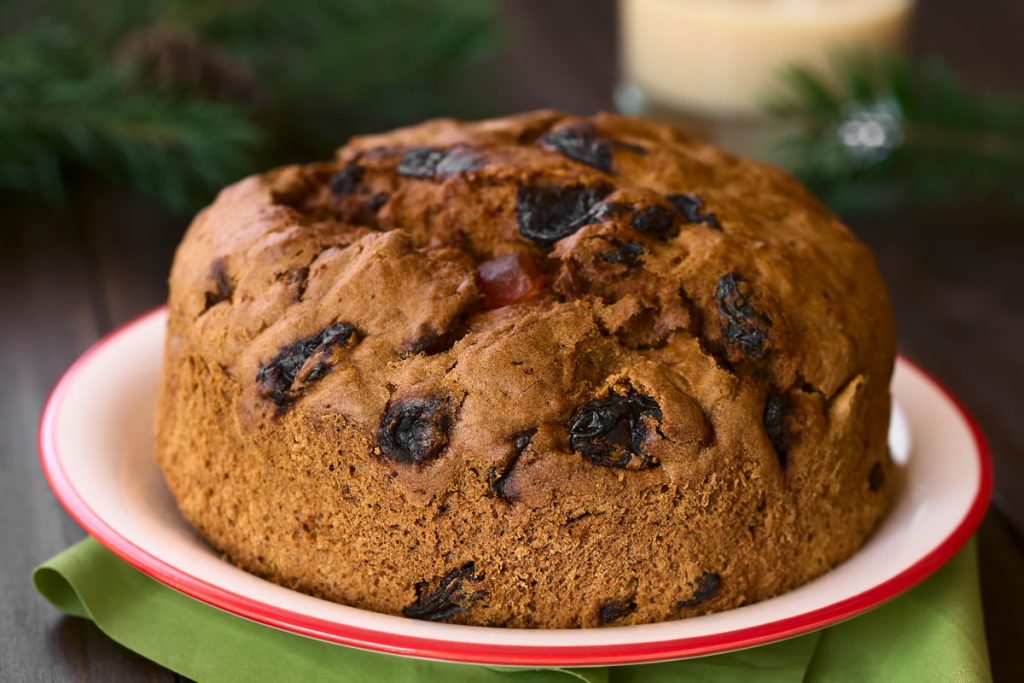
Pan de Pascua is a Chilean holiday cake that is rich, moist, and full of nuts and dried fruits. The cake has European roots but was adapted in Chile using local ingredients. The word Pascua means Easter or Christmas in Spanish, and the cake is specifically associated with Christmas celebrations.
Holiday Tradition
Families enjoy Pan de Pascua throughout the holiday season, often alongside hot chocolate or coffee. It is typically baked in advance and shared with neighbors, friends, and relatives. Serving Pan de Pascua is a way to bring people together, and its combination of fruits and spices makes it both festive and comforting.
“Pan de Pascua is next level amazing, especially when it is packed with nuts, dried fruits, and that perfect hint of cinnamon and clove. I don’t care how many recipes you see online. If it is not made by someone who grew up with it, a Chilean mom or abuela who knows the traditions, it is just not the same. I have tried other versions, and trust me, they do not even come close.”
Here’s a video showing you how to make it:
Panettone – Italy
Origin
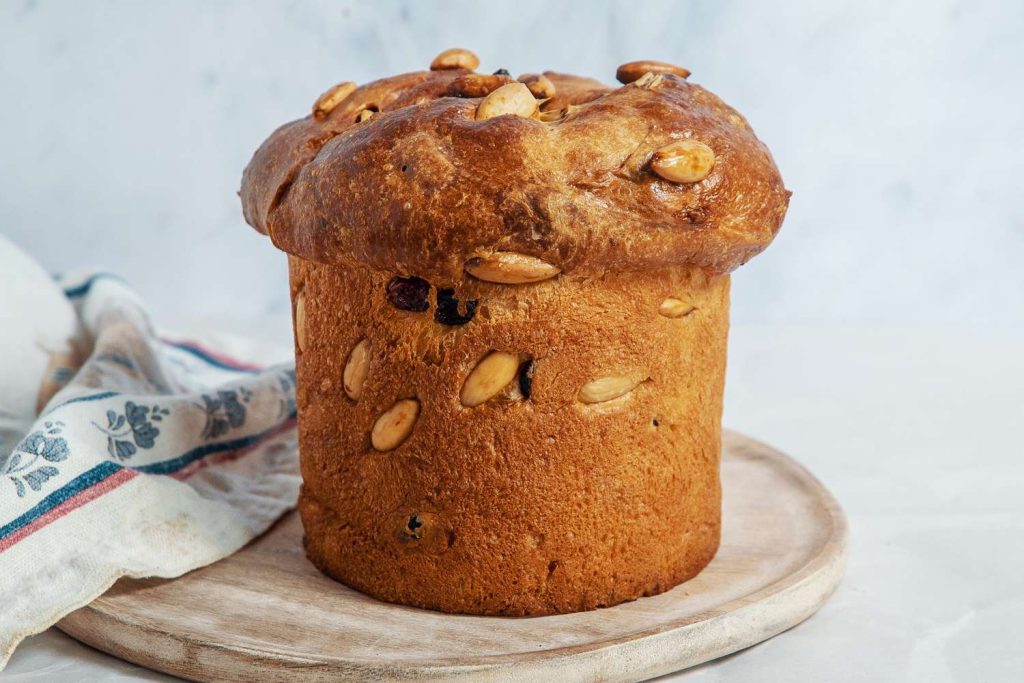
Panettone is a sweet bread loaf that is soft, airy, and filled with dried fruits. It originated in Milan during the Middle Ages. Legend says it was created by a baker who fell in love with a noblewoman and invented a rich bread to impress her. Over centuries, it became the iconic Italian Christmas cake and a beloved holiday treat around the world.
Holiday Tradition
Families enjoy Panettone with coffee or hot chocolate, sometimes toasted or spread with butter. Making Panettone at home is time consuming, so many families buy it ready made. Despite this, it is always a centerpiece for holiday tables and gift baskets, symbolizing celebration and tradition.
“I’m sorry, but the store-bought version is nothing compared to my friend’s mom’s Italian cooking. Not even close”
Here’s a video showing you how to make it:
Kourabiedes – Greece
Origin
Kourabiedes are Greek almond shortbread cookies dusted with powdered sugar. They have Ottoman influences and were popularized in Greece as a festive treat. Almonds in the cookies symbolize luck and prosperity, making them perfect for Christmas and New Year celebrations.

Holiday Tradition
Families bake Kourabiedes together and often gift them to neighbors and friends. They are part of a broader Greek tradition of holiday sweets, bringing both flavor and symbolism to the season.
“Kourabiedes are absolutely amazing, especially when they are perfectly buttery and coated in just the right amount of powdered sugar” – karl
Here’s a video showing you how to make it:
Bûche de Noël – France
Origin
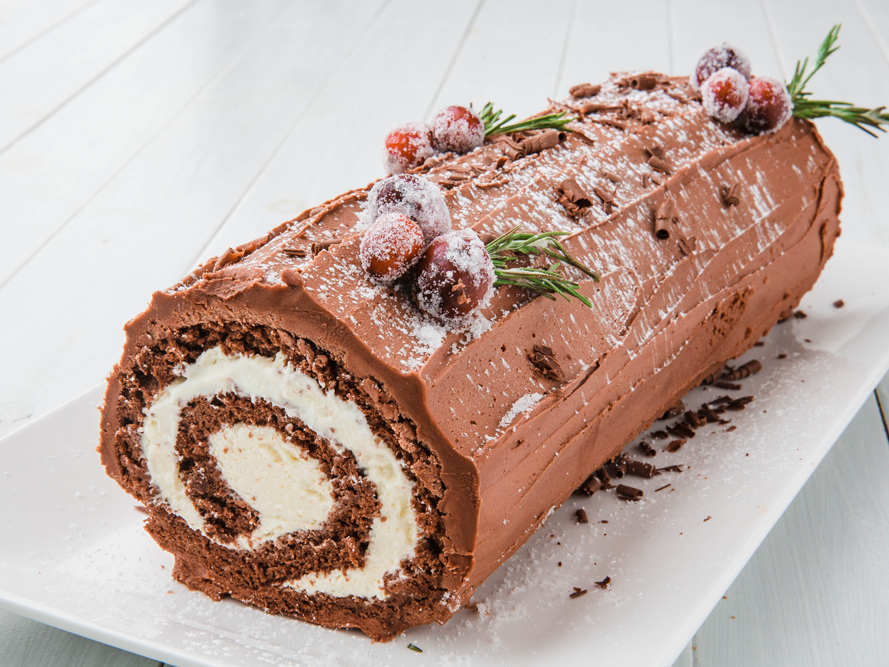
Bûche de Noël, also called the Yule Log, is a rolled sponge cake decorated to look like a log. The tradition comes from the old practice of burning a large log in the hearth during winter to bring luck. The cake version started in France in the nineteenth century as a way to recreate the ritual in dessert form.
Holiday Tradition
The cake is served on Christmas Eve or Christmas Day and is often decorated with powdered sugar to resemble snow. Families gather to admire and slice the cake together, making it a visual and flavorful centerpiece of the holiday table.
Here’s a video showing you how to make it:
Taste, Tradition, and the Joy of the Season
Exploring holiday foods from around the world is more than just tasting delicious treats. It is about experiencing culture, tradition, and the stories that bring people together. From the creamy Coquito of Puerto Rico to the sweet Panettone of Italy, each dish carries history and holiday spirit in every bite.
As you enjoy these festive flavors, it is also worth thinking about how to make your holiday season more enjoyable and less stressful. Whether it is trying new recipes or traveling to experience these foods in their home countries, managing your time and budget is key. If you want to take your holidays to the next level, check out our guide on How To Save On Holiday Travel In 2025 for tips on making your seasonal adventures both memorable and affordable.
Leave a Reply