
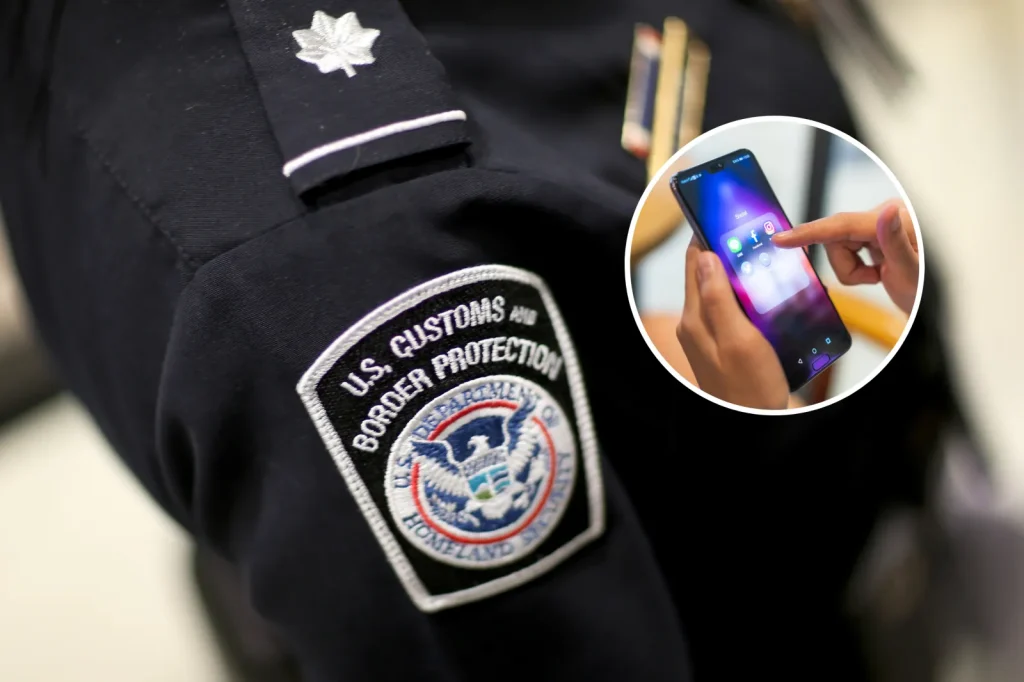
Will the United States Start Checking Tourist Social Media? The conversation around border security is shifting again, and this time the spotlight is on social media. Reports have surfaced that the United States may consider expanding social media screening for travelers before they enter the country. While the idea is not entirely new, the timing, motivation, and public reaction make this moment different.
So the question becomes clear. Should the United States implement social media checks for tourists before travel
And if so, what would that even look like
To understand that, we must explore why this debate is happening now, what concerns are driving it, how other countries approach screening, and whether social media is even a reliable indicator of risk.
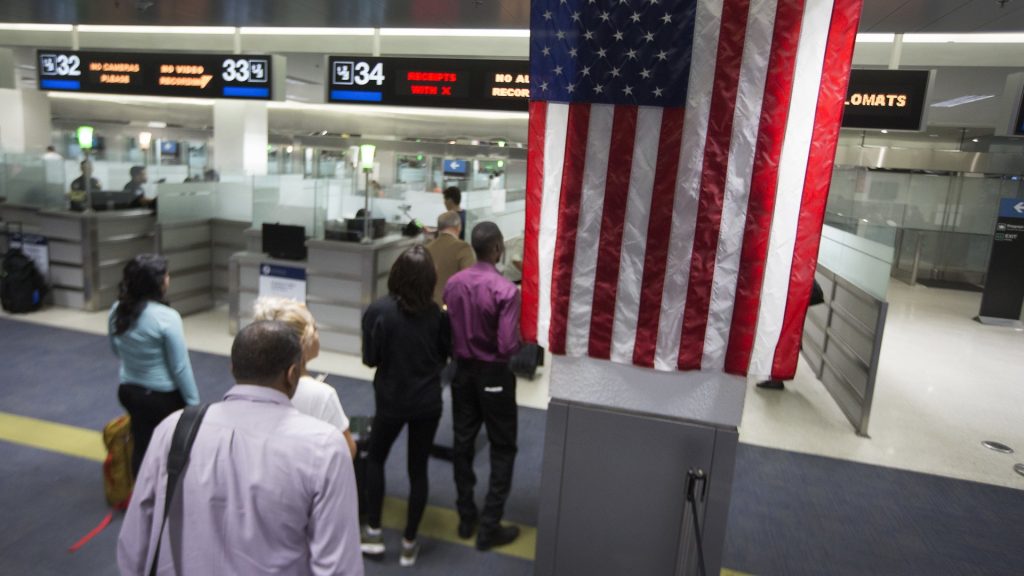
Why Social Media Screening Is Being Considered Now
Several factors are fueling the renewed interest in digital background checks.
Increasing Digital Footprints
The average person documents large parts of their life online. Photos, comments, travel, political views, affiliations, and personal routines often appear across multiple platforms. With so much identity displayed publicly, security agencies believe social media can offer context that traditional paperwork cannot.
Rising Global Security Concerns
Extremist recruitment, coordinated online activity, and cross border criminal networks operate in digital spaces. Officials argue that evaluating online behavior can help identify possible threats before they enter the country.
Demand for More Accurate Verification Tools
Identity fraud and passport manipulation continue to rise. Screening social media may help verify who a traveler claims to be and what their intentions are. It becomes another piece of a larger security profile.
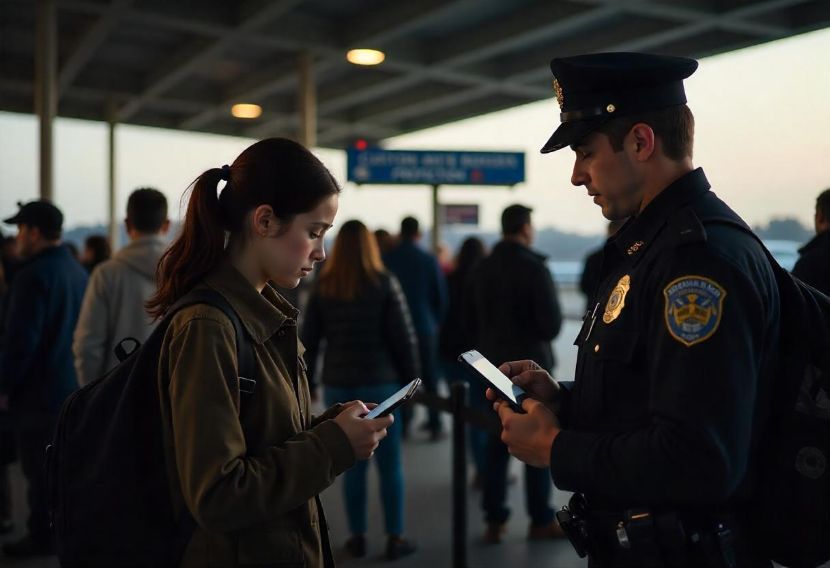
How Other Countries Already Use Social Media Screening
Many travelers are surprised to learn that social media checks are not a new concept internationally. Several countries already use some form of digital screening as part of their immigration process.
Canada
Canada reserves the right to review publicly available online content to assess admissibility, especially in cases involving criminality or extremist concerns.
Australia
Australia has openly acknowledged using social media to verify visa applications and detect fraudulent claims. Officers may review online behavior to confirm identity or background.
The United Kingdom
The UK uses social media analysis for certain visa categories when applications trigger specific risk indicators. This includes cross checking employment, education, or travel history.
New Zealand
New Zealand immigration officials may examine online information when assessing character concerns, especially in cases involving misinformation or criminal accusations.
Schengen Countries in Europe
Some Schengen states monitor social media for identity verification, fraud detection, or links to extremist activity. While not universal, the practice is growing.
Seeing other nations adopt this approach strengthens the argument that digital footprints are becoming part of modern border management.
How Social Media Screening Actually Works
To most travelers, the process feels mysterious. But it generally follows a few predictable methods.
AI Driven Screening
Machine learning tools scan public online content and look for behaviors or affiliations that match known risk patterns. These tools do not read every post. They identify unusual or flagged activity.
Keyword and Phrase Flagging
Algorithms look for specific phrases that may relate to violence, unlawful activity, fraudulent travel intentions, or extremist content. Context matters, but automated tools often flag the content for human review.
Behavioral Pattern Analysis
This can include:
Account age and stability
Friends or followers connected to known flagged networks
Abruptly deleted posts
Inconsistent personal information
Suspicious location data
These patterns help determine whether further review is needed.
Manual Review by Human Officers
The most important step is still human verification. Officers review only flagged accounts. They look for context and ensure the content is interpreted correctly. This reduces false positives and ensures fairness.
Overall, the system blends technology with human judgment.

Real World Scenarios That Show How Screening Can Help or Hurt
Social media screening is not theoretical. It has already influenced real situations around the world.
A Traveler Denied Entry Due to Violent Posts
In several countries, travelers have been stopped after authorities found public posts showing involvement in recent violent demonstrations. These cases show how online activity can signal legitimate concerns.
A Traveler Cleared Because Social Media Disproved an Accusation
There have also been cases where a traveler was falsely reported for suspicious behavior. Social media evidence showing regular employment, family connections, and lawful activity helped clear the person quickly.
A Prevented Security Threat
In another case, a traveler planning to attend an extremist event in a foreign country was flagged after posting recruitment messages online. Authorities were able to prevent entry and avoid a potential risk.
These examples reveal two realities. Social media screening can protect public safety, but it must be used carefully to avoid unfair judgments.
What Travelers Should Expect If Social Media Screening Expands
Readers want to know how this affects them. Here is what travelers may face if such policies are implemented.
Minimal Impact for Most Travelers
For the majority of tourists, nothing will change. Publicly available content already forms part of many background checks, and harmless posts are not a concern.
Possible Requests for Social Media Handles
Some visa applications may ask for usernames. This does not give authorities access to private messages, but it helps confirm your identity.
Expectation of Consistency
Travel history, work information, and personal details should align with what you provide on your travel forms.
Awareness of Public Posts
Anything posted publicly may be reviewed. Travelers should understand that humor, sarcasm, or cultural references can be misinterpreted.
Rights Travelers Still Keep
Even with social media screening:
You do not have to provide passwords
Authorities cannot access private messages without legal authority
You can refuse entry to certain countries based on your comfort level
You retain rights to privacy within your home country
Travelers should stay informed but not fearful.
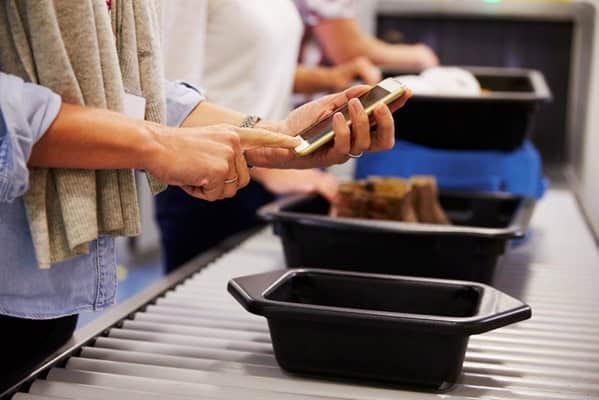
Final Verdict Should the United States Implement Social Media Checks
There is value in using social media as a supporting security tool. It can reveal red flags that traditional documents miss. It can provide insight into identity, intent, and potential risk.
However, social media is not always reliable. It can be manipulated, deleted, or rewritten by anyone who has the money and motivation. The rise of professional social media cleaners shows how easy it is to curate a false image.
The most reasonable approach is a balanced one.
Social media should be used alongside background checks, not instead of them.
Screening should be selective, not universal.
Red flags should be reviewed by humans, not exclusively by algorithms.
This approach strengthens national security without compromising fairness or relying too heavily on digital personas that may not reflect reality.
As digital identity and real world travel become more intertwined, the challenge will be finding the right balance between safety, privacy and practicality. A measured and transparent strategy could achieve that balance while keeping travel safe for everyone.
Leave a Reply