
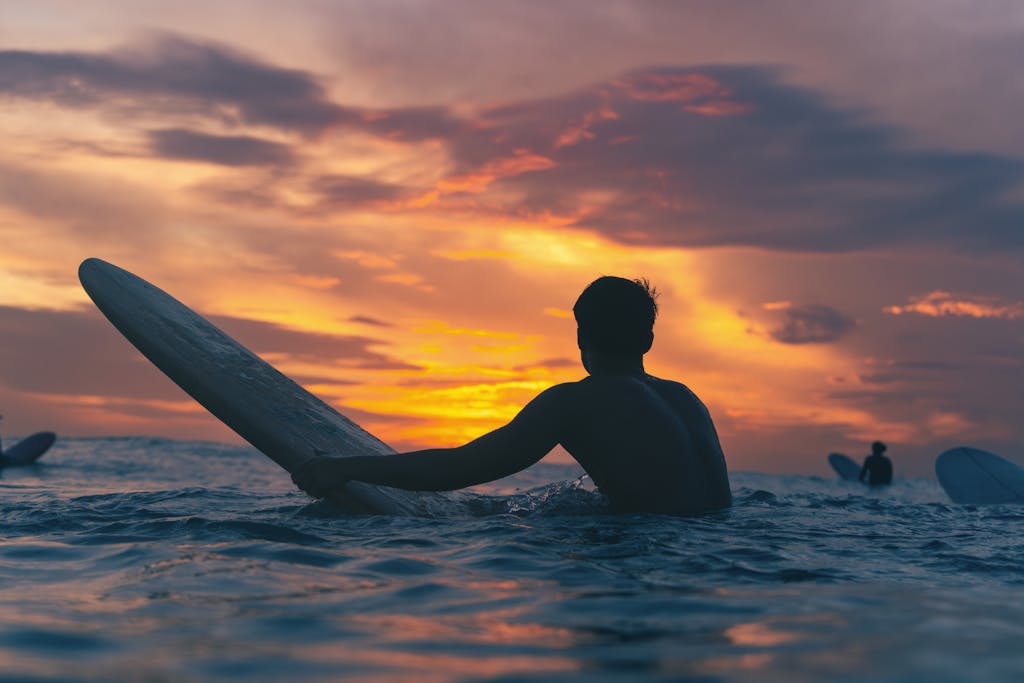
Choosing where to travel used to feel simple. People relied on family traditions, printed guidebooks, or the same places they had visited year after year. Travel was passed down like a ritual. You went where your parents went. You stayed where your friends recommended. The world felt both larger and slower.
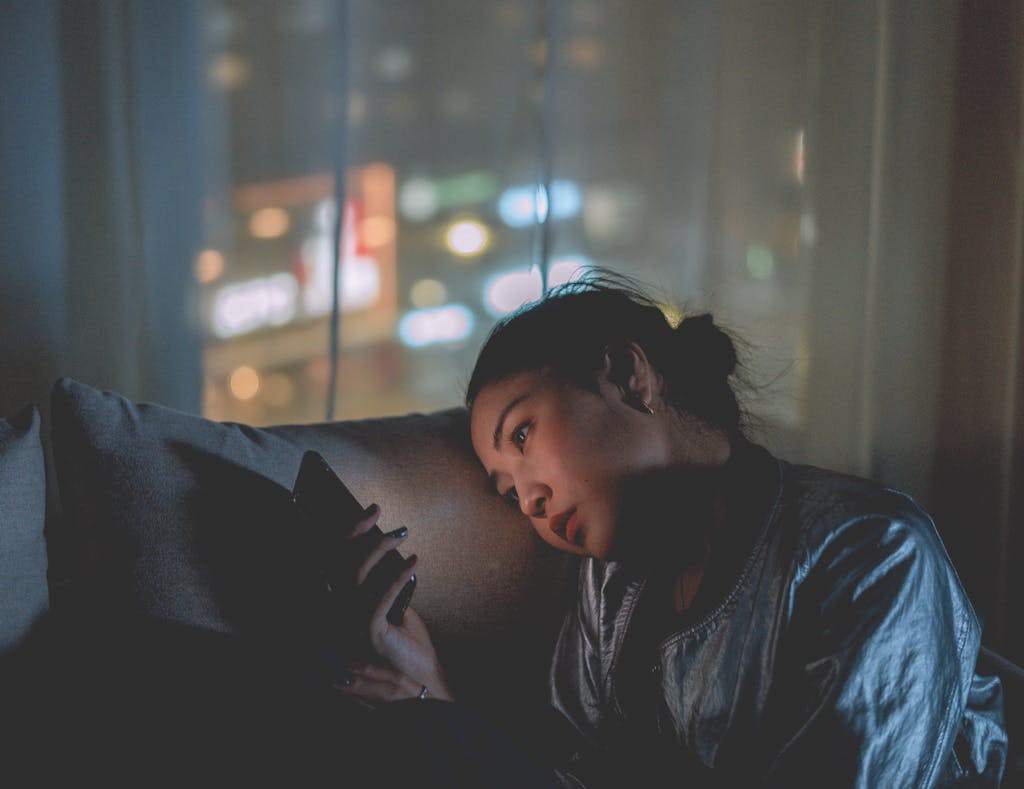
Today everything feels different. In 2026 the world does not wait for us anymore. The next destination reveals itself in the middle of a quiet night when we open our phones and scroll through a feed that knows us better than we know ourselves. A single video can change our entire idea of what a vacation should look like.
The scroll that starts the journey
It usually happens during the most ordinary moment. You are lying in bed or sitting on the couch after work when a short clip quietly appears. Someone is walking along a coastal path in Portugal during golden hour. Another person is drinking tea on a balcony in Sri Lanka with mist rolling through the mountains. A creator shows a cafe in a small European town where the owner knows every guest by name.
It is peaceful, emotional and real enough to feel possible.
And something inside you shifts. Your brain begins to imagine what it would feel like to stand there. How the air would smell, the water would sound. How the moment might change you.
This is where the trip truly begins. Not in the airport. Not during the packing. It begins the moment your imagination attaches itself to something you saw on a screen.
The new map of 2026
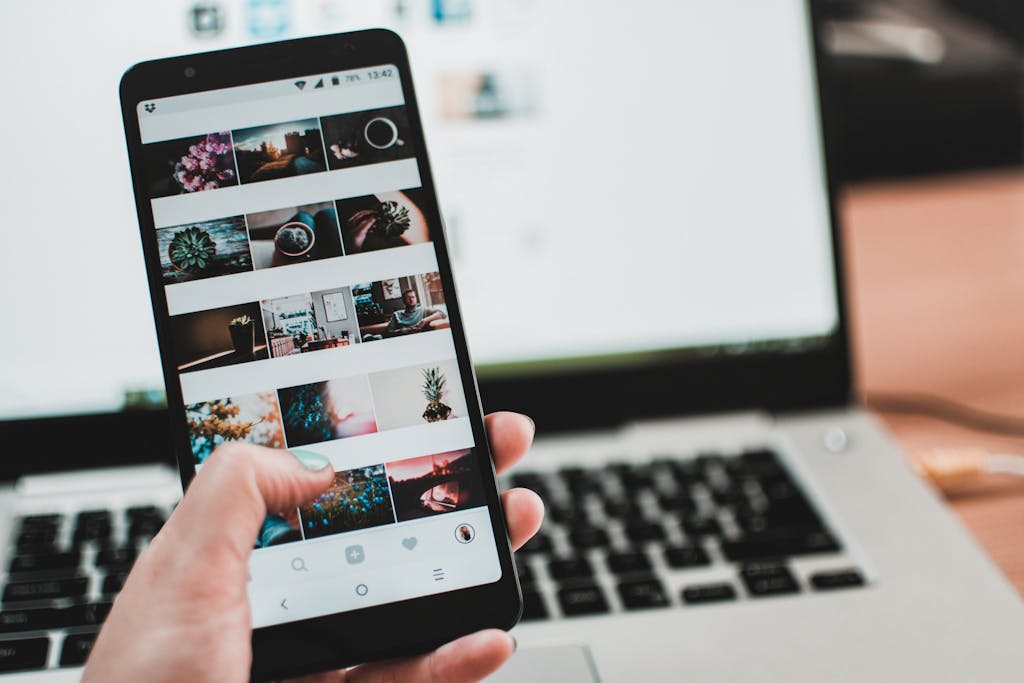
The map we follow today is not drawn by guidebooks. It is shaped by algorithms. These systems pay attention to the places we linger on and the searches we make late at night when we think no one is paying attention.
Watch one video about Greece and suddenly your feed becomes a gallery of beaches, local foods, and hidden villages. Search for quiet winter escapes and you will be shown everything from Norwegian cabins to small town holiday markets.
This is inspiration filtered through technology.
Destinations that once lived in the background are now rising to the front because they performed well in a fifteen second video. Cities that were unknown to most travelers a few years ago are now experiencing their busiest seasons because one creator showed a beautiful street or a local coffee shop.
What this means for travelers
The influence of social media goes deeper than trends. It is changing the psychology of travel.
We are traveling with emotion rather than tradition
People choose places that give them a feeling they connected with online. Warm lighting. Slow paced living. Adventure. Personal transformation. Travelers want experiences that match the emotion they felt in the video that first captured their attention.

We are more informed yet more overwhelmed
With endless content we see hundreds of travelers sharing real experiences. Prices. Weather surprises. Cultural differences. Restaurant suggestions. Scams to avoid. Activities worth skipping. It is powerful information, but it can also make planning feel heavier than ever.
Expectations are becoming more fragile
Many destinations look perfect online. But no video can show the full truth. Crowds. Changing seasons. Construction. Weather that shifts without warning. When people arrive expecting the flawless version they saw on their screens, reality can feel sharper and more complicated.
The rise of review culture and why it matters in 2026
Travelers today are not only watching content. They are analyzing it. Reviews have become a form of storytelling as powerful as the videos themselves.
People want to know:
Did other travelers enjoy it
Was it worth the price
Were the photos accurate
Were the experiences honest
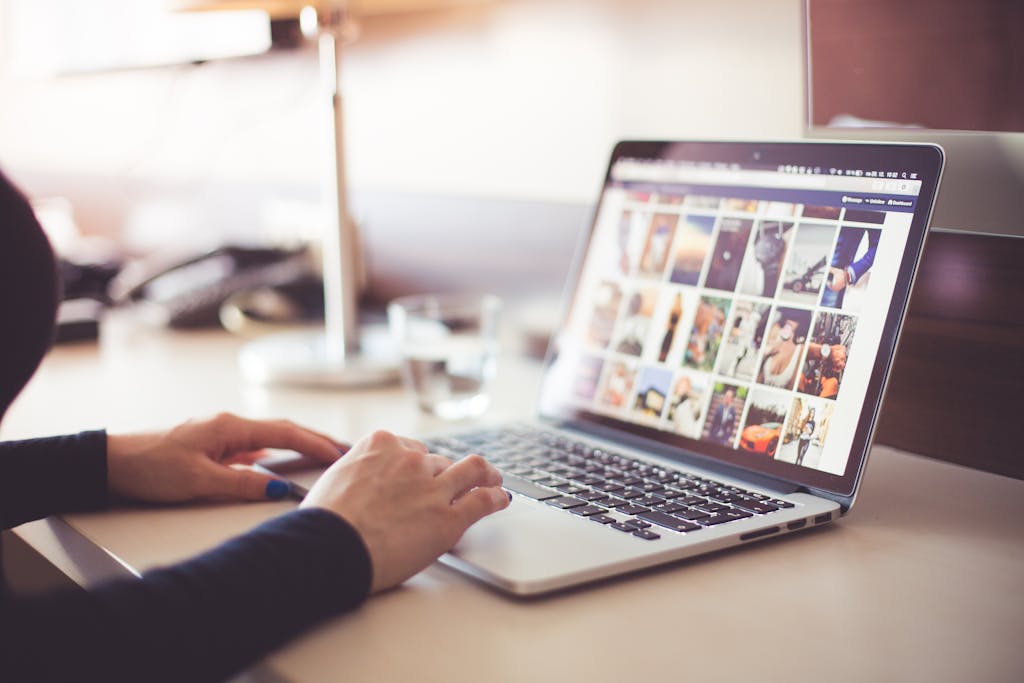
More travelers are using real time reviews to make decisions. They compare hundreds of comments before deciding where to stay. Look for creators who share the unfiltered details. They read about the noise level, the quality of the food, and the kindness of the staff. This level of transparency is shaping what companies build, how destinations prepare for visitors, and what travelers expect once they arrive.
Reviews are no longer optional. Reviews are now part of the travel experience. They guide us, warn us and remind us that a destination is not just a picture. It is a lived reality for thousands of people every day.
How social media influences our travel behaviors
Travelers in 2026 are now:
• Choosing locations that reflect their desired lifestyle instead of their past habits
• Prioritizing aesthetics, culture, and community over popularity
• Relying on user experience instead of glossy marketing
• Supporting local businesses that earn authentic praise instead of paid attention
These shifts are slowly reshaping the entire travel industry. Hotels are improving their service because one negative review can last forever. Restaurants are becoming more transparent. Tour companies are adjusting what they offer based on real feedback. Travelers hold more power than ever before, and companies know it.
A personal example of how travel decisions are changing
When I first thought about moving to Morehead City, I did not rely on the traditional advice that older generations might have used. We did not start with guidebooks or generic articles. Instead, I went to the place where most modern decisions begin. There, I looked at real videos from people who lived. Next, I watched reviews that felt honest and unedited. My search covered content from families, travelers, young couples, and long time residents. Finally, I read comments about seafood spots, local beaches, community events, off season charm, and even how the town feels on a quiet weekday morning.
What convinced me was not an advertisement.
What convinced me was the lived experience of people who shared their stories online.
Social media gave me a window into what daily life might look like. It helped me make a choice that was not based on old habits or random chance. It was based on real people showing real moments.
And that is what travel has become today.
A blend of personal desire and digital storytelling. A new form of discovery shaped by the experiences of others.
The future of travel belongs to the traveler
Social media will continue to be a guide, an inspiration, and sometimes a distraction. But it is also expanding the world we see and giving us more voices to learn from. It helps us imagine new possibilities and avoid unnecessary mistakes.
In the end, social media may shape where we go, but we decide what those experiences mean. The journey is still ours to create.
And for anyone considering a quieter coastal life or simply curious about the charm of eastern North Carolina, Morehead City is a place that reminds you that beautiful destinations are not always discovered through tradition. Sometimes they are found through a single honest review or a moment of inspiration on your screen.
Leave a Reply