
The Complete Guide to Laws, Safety, and What to Expect at Airports
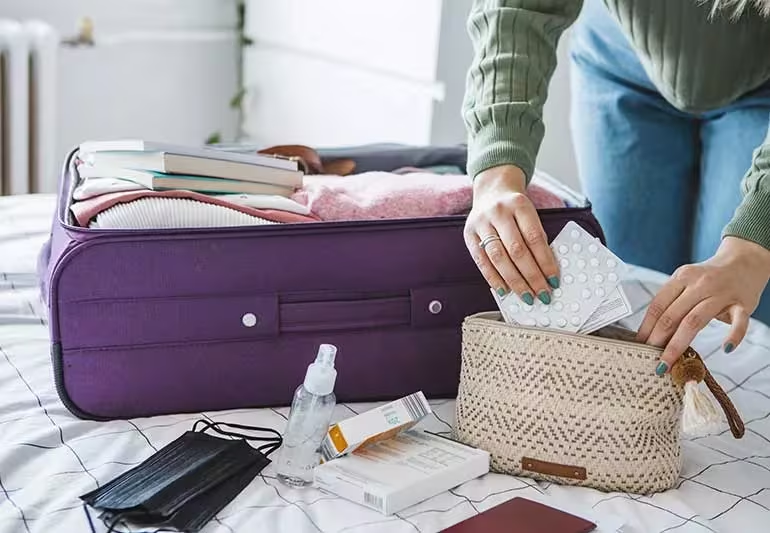
Traveling with prescription medication is extremely common, yet many travelers do not realize how many rules, documentation requirements, and airport security procedures apply to bringing medicines across state lines or international borders. Whether you take daily medication, carry controlled substances, rely on medical devices, or travel with injectable treatments, knowing the laws before you go can save you from delays, confiscations, or even legal trouble.
This guide breaks down everything you need to know so you can travel with confidence and comply with the requirements of TSA, airlines, and international authorities.
Understand the Legal Basics Before You Travel
Prescriptions must match the traveler
The name on your prescription bottle must match your government ID or passport. If it does not, security or customs officers may confiscate it.
Travel with the original containers
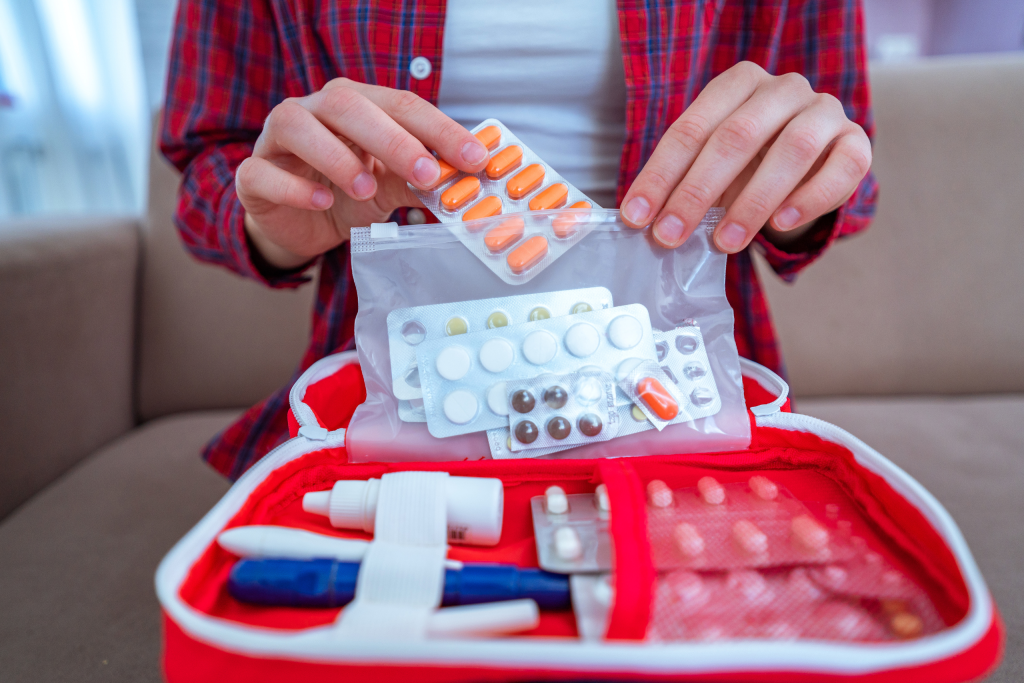
Whenever possible, bring medication in the original pharmacy packaging with:
- Your name
- Prescriber name
- Pharmacy information
- Dosage and instructions
- Date of fill
Some countries require this by law.
Know your medication category
Not all prescriptions are viewed equally. Medications fall into three broad groups:
- Regular prescriptions (e.g., blood pressure meds, antibiotics)
- Controlled substances (e.g., Adderall, Ritalin, Xanax, certain pain medications)
- Injectable or liquid medications (e.g., insulin, EpiPens, biologics)
Controlled substances are the most regulated and often require extra documentation.
TSA Rules: What Airport Security Looks For
TSA is not allowed to test or analyze your medication, but they can visually inspect it.
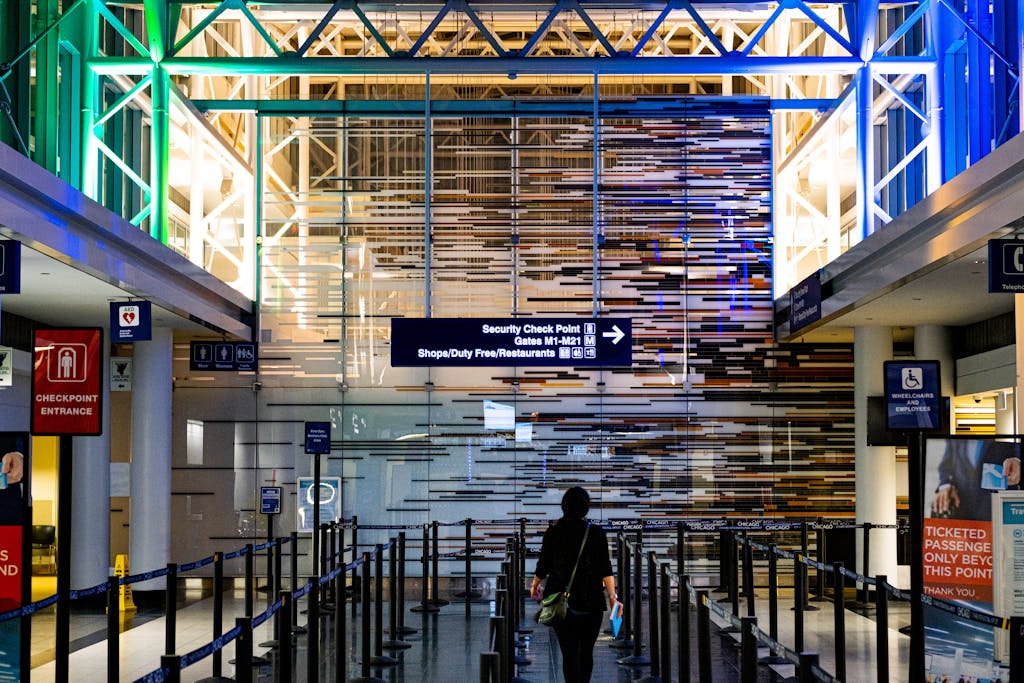
When going through airport security, TSA officers typically check for:
- Evidence of tampering
- Clear labeling
- Quantities appropriate for the length of your trip
- Any medications that violate federal rules (e.g., cannabis products)
Important: TSA does not require medication to be in a prescription bottle, but customs authorities in other countries often do.
General TSA guidelines
- Medication is allowed in carry-on or checked bags, but carry-on is strongly recommended.
- There is no limit to how much medication you can bring, as long as it’s screened.
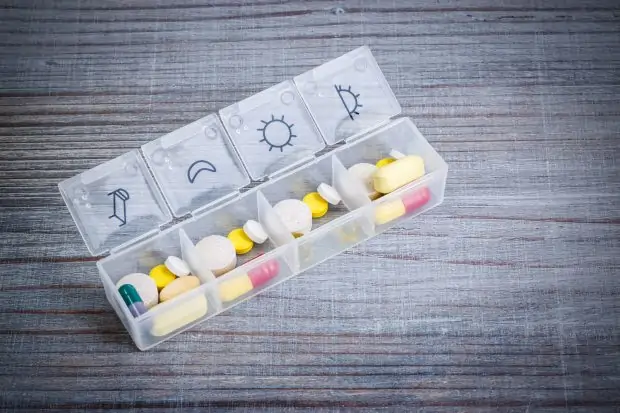
- Pill organizers are allowed, but original packaging removes confusion.
- Powdered medications follow the same screening rules as other powders.
Liquids, gels, and injectables
Medications are exempt from the 3.4 oz (100 mL) liquid rule, but you must:
- Declare them
- Remove them from your bag
- Expect additional screening
This includes insulin vials, prefilled syringes, auto-injectors, inhalers, and IV medications.
Travel Documentation You Should Always Carry

To avoid delays or confiscation, bring:
1. A copy of your prescription or refill note
Useful for identifying the medication if questioned.
2. A doctor’s note for:
- Controlled substances
- Injectable medications
- Large quantities (more than 90 days)
- Liquid medications exceeding 3.4 ounces
- Medical devices (CPAP, insulin pumps, nebulizers, etc.)
3. The generic name of your medication
In some countries, brand names differ. Knowing the generic name helps if you need an emergency refill.
International Laws: What You MUST Check Before Traveling
Many countries regulate prescription medications differently from the United States. Some medications considered routine in the U.S. are illegal or restricted abroad.
Examples
- Japan has strict limits on ADHD medications like Adderall.
- Many Middle Eastern countries require pre-approval for controlled substances.
- Some European countries require prescriptions to be in the original packaging.
- Narcotics and strong pain medications may require import certificates.
Before traveling internationally:
- Look up the medication rules for your destination country
- Check if your medication is banned, restricted, or requires pre-approval
- Carry no more than a 30–90 day supply (depending on the country)
- Keep medications in your carry-on at all times
The U.S. State Department and the destination country’s embassy websites provide updated medication rules.
Tips for Traveling With Controlled Substances
These medications are watched more closely, especially at international borders. Examples include:
- ADHD medications
- Benzodiazepines
- Opioid pain medications
- Certain sleep aids
Best practices
- Bring only the amount needed for your trip
- Keep paperwork in your carry-on
- Use original bottles with pharmacy labels
- Carry a doctor’s letter explaining the medical need
- Avoid transporting early refills or large stockpiles
Border officers may question large quantities.
What NOT to Do When Traveling With Medication
Avoid these mistakes to prevent delays or legal issues:
- Do not mix unlabeled pills together
- Do not bring medication belonging to someone else
- Do not pack medication in checked luggage (bags get lost)
- Do not bring cannabis products, even if prescribed in your state
- Do not hide medications or fail to declare liquids
Being transparent makes the process smoother.
Best Storage Practices While Traveling
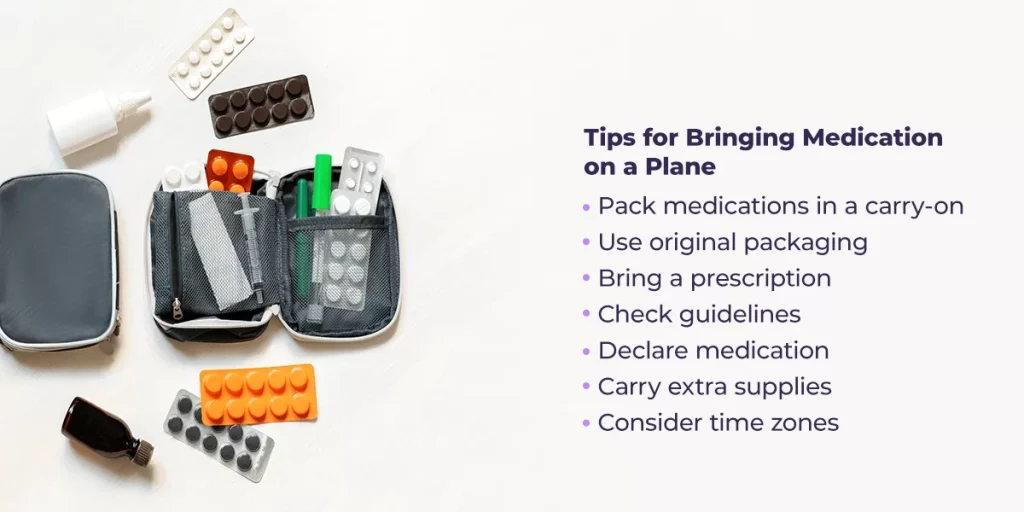
- Keep medications in your carry-on bag
- Store temperature-sensitive meds (like insulin) in insulated pouches
- Keep a small emergency supply in a second location in case of lost bags
- Use daily pill organizers once you arrive (avoid during transit if possible)
What to Do If Your Medication Is Questioned at Security or Customs
Stay calm and explain:
- What the medication is
- Why you take it
- That you have documentation
Showing a doctor’s note or prescription almost always resolves the issue immediately.
Final Checklist Before You Go
Here is a quick summary to ensure you are fully prepared:
- ✔ Medication in original packaging
- ✔ Doctor’s letter (especially for controlled substances)
- ✔ Prescription copy
- ✔ Only the amount you need
- ✔ All medication in your carry-on
- ✔ Research into destination country laws
- ✔ Declare liquids, injectables, or medical devices
With the right preparation, traveling with prescription medication is safe, legal, and stress-free.
Leave a Reply