
The Rules No One Tells You Until It’s Too Late

Traveling in your early twenties sounds like a dream.
Hitting the open road with your favorite playlist, booking a last-minute beach getaway, or catching a cheap flight just because.
But if you’ve ever tried to travel under 25 in the U.S., you know the truth: age becomes a hidden barrier. Suddenly, you’re old enough to vote and pay bills, but not old enough for hotels, car rentals, or even certain Airbnb listings.
I learned this the hard way. I’ve faced the embarrassment of being denied a confirmed beach-view hotel booking with my fiancée, and I once paid a $560 Uber fee because I couldn’t rent a car at 24. These weren’t lessons from reading fine print; they were chaotic, late-night problem-solving sessions.
That’s exactly why I wrote this post.
You can travel before 25, but you need to know the rules I learned through bad luck. I want you to go out, have fun, see new places, and experience all the freedom that comes with traveling young without the unnecessary chaos.
So here’s what almost ruined my trips, and what will help you make yours go smoothly.

1. The “You’re Too Young” Rule: Hotel & Airbnb Surprises
One of the biggest shocks came when my fiancée and I took a trip to Dewey Beach, Delaware, one of our favorite places. We’d stayed there before, booked the same beautiful beach-view property, and even confirmed everything over the phone. But this time, after driving hours to get there, the front desk told us we had to leave.
Why? We weren’t 25.

Even though the booking was confirmed, they said their policy had changed: no guests under 25, no exceptions, no refund. My fiancée was in tears. For a minute, I thought the entire trip was over. Luckily, after some scrambling and a lot of frustration, we found another hotel and didn’t let it ruin our weekend. We also fought to get that payment back and won.
Legally: There is no federal law setting a minimum age for hotel check-in in the U.S. The age of majority (18) means you can legally enter a contract, but hotels are private businesses and can set stricter minimum check-in ages (21 or 25) depending on location, brand, or risk.
So don’t assume age rules are consistent, even at places you’ve stayed before. Always call ahead, get a written confirmation of the minimum age requirement, and read the fine print, especially in vacation towns, seasonal rentals, or resort-style properties.

2. The Car Rental Catch: Hidden Age Limits and Fees
Another lesson came during a trip from New York to Minneapolis. The plan was simple: fly out, meet a friend for an event, and rent a car when I landed.
Then everything went wrong. A system glitch caused flight delays across multiple airports. My connecting flight in Detroit got canceled, and I needed to drive 10 hours to Minneapolis. Thankfully, I had a friend who worked at Avis who was able to help me get a rental.
On the way back, though, my luck ran out. My return connection in Washington, D.C., was canceled, and I tried to rent another car. This time, they flat-out refused. I was 24, not 25. No exceptions. No car.
So I paid $560 for an Uber from Washington to Long Island, New York. It was one of those moments that make you laugh later, but not at the time.

Legally: Most rental car companies set 25 as the age where no young-driver fee applies. Drivers aged 21-24 are typically allowed to rent but face a “young renter” surcharge ($20-$40+ per day) and may be restricted from selecting luxury or specialty vehicles. For example, one major company lists a young renter fee of up to $36.50 per day in Michigan or $30.75 per day in New York for drivers aged 21-24.
If you’re under 25, expect elevated fees or outright denials for car rentals. Before you book, check the exact branch’s policy, vehicle class restrictions, and surcharge amount.
3. No Credit Card? No Trip.

Most places in the U.S. require a credit card to set up security deposits, confirm reservations, or even process payments.
Hotels, rental companies, and even some tour services will flat-out refuse debit cards or cash. It’s frustrating, but it’s how the system works.
So if there’s a trip you’re eager to take, make sure you have a credit card before you go. Otherwise, you might find yourself turning around and heading home or scrambling to figure things out on the spot. Unfortunately, that’s just the reality of traveling in the U.S. under 25.
Legally: For hotel check-in, younger guests often struggle because hotels may require a credit card with a sufficient limit – enough to cover both the room cost and incidental hold, often $50 to $200 per night. Without it, they may refuse the booking.
A legitimate credit card in your name isn’t optional; it is practically mandatory for many travel bookings in the U.S. to avoid being denied at check-in or pickup.
4. Insurance, Fees, and “Young Traveler” Penalties
Even if you can rent or book, expect to pay more. Travelers under 25 are seen as higher risk, so companies add extra fees. For example, car rentals can cost an additional twenty-five to fifty dollars per day, and high-end resorts may charge one hundred dollars or more per night.
It is unfair, but it is real.
Budget that in and look for discounts aimed at students or young professionals. Some loyalty programs or travel cards waive these fees if you book through their platform.

Legally: The surcharge for young drivers is explicitly used to offset higher insurance costs. Additionally, data shows that drivers under 25 are involved in more accidents.
Do not just budget for the room or car rental. Add twenty to forty percent more for age-related fees. Check membership programs, such as AAA or USAA, which may waive or reduce these costs.
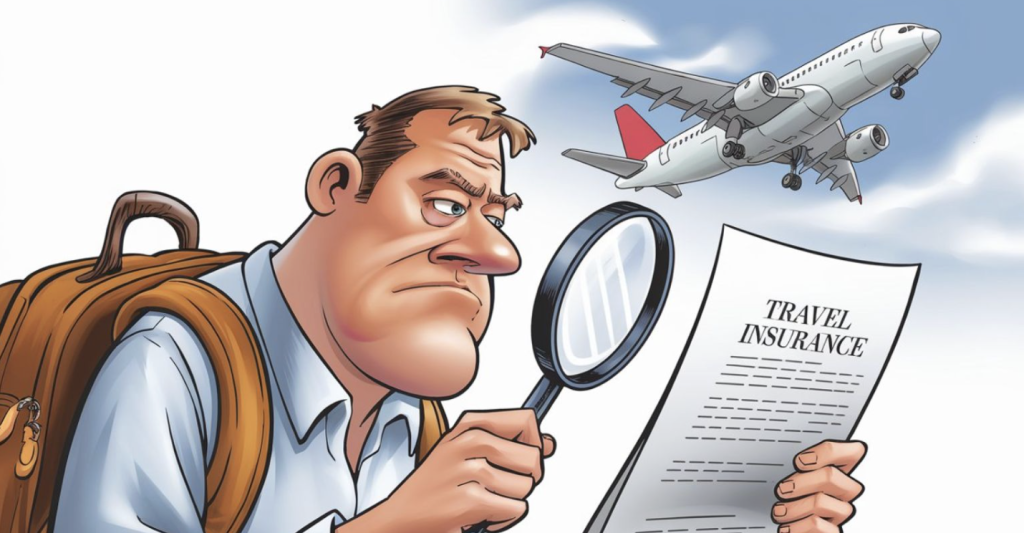
5. Travel Smart and Always Insure Your Trip
I know it feels like you are saving money by skipping travel insurance, but trust me, that is one place you do not want to cut corners. Life happens, flights get canceled, people get sick, and plans change fast. Having your trip insured can save you from losing hundreds of dollars or being stuck somewhere unexpectedly.
For example, I went to South Carolina for a wedding. Toward the end of the night, my fiancée wanted Taco Bell, so I got a chicken chalupa. Big mistake. I ended up with food poisoning, throwing up from 3 a.m. to 9 a.m. Our flight was at 8 p.m., and there was no way I could wait that long.
Luckily, the flight was insured. We moved it up, and instead of paying a huge amount, it cost only nineteen dollars to switch to a 4 p.m. flight. We made it home early, and I finally got the rest I needed.
That one small decision of insuring the trip saved us money and prevented a bad day from turning into the worst day.

Legally: Many travel insurers allow young adults aged 18 to 24 to purchase coverage that includes trip interruption, cancellation, or medical emergencies. This is especially important if age-related fees or restrictions might force you to change plans.
Insurance is not just for big luxury trips. It is a smart move for any trip, especially when you are under 25 and facing extra travel-risk factors. A small cost today can prevent a massive expense tomorrow.
Bring It All In
Traveling under 25 in the U.S. can feel like walking through a maze of hidden rules, but it’s not impossible. It just takes preparation, patience, and a little creativity.
The memories are worth it. The road trips, the late-night stops, the new places you will call your “spot.” Just make sure to plan smarter than I did that first time.
Because nothing kills the travel vibe faster than being told to leave a beach-view hotel you already paid for.
After exploring The Content Creator’s Toolkit: 10 Essentials I Cannot Travel Without, take your travel game further with How to Save Money on Your Next Trip and Flight.

Key Takeaways
- Traveling under 25 in the U.S. has hidden rules, but is completely doable with preparation.
- Always check hotel and Airbnb age requirements before booking.
- Be aware of car rental age restrictions and young-driver fees. Some locations may refuse rentals entirely.
- Credit cards are essential for bookings, deposits, and security holds.
- Budget for extra fees related to age, insurance, and young traveler surcharges.
- Travel insurance is a must, even for short trips, to protect against cancellations, emergencies, or unexpected expenses.
- Plan ahead, call ahead, and get written confirmation of policies to avoid surprises.
- Despite the challenges, traveling young offers memorable experiences including road trips, late-night stops, and discovering new favorite spots.
Leave a Reply