
What Travelers Must Know About TSA, Flights, and Passports.

The System Slows, It Doesn’t Stop
Let’s get straight to it: a government shutdown does not mean all travel comes to a halt. But make no mistake: your vacation or work trip is going to feel the strain. Lines get longer. Flights get delayed or canceled. Staff shortages at airports, federal attractions, and even passport offices can leave you scrambling.
During a shutdown “essential” federal employees (think TSA agents, Air Traffic Controllers, and certain State Department staff) continue working, often without pay. That unpaid labor might sound heroic, but the reality is a system running on stress, fatigue, and reduced staffing. It’s like a well-oiled machine suddenly missing several gears: things still move, but not smoothly.
This article is your roadmap to navigating travel during a shutdown. We’ll break down where the real pressure points are, give you practical hacks for avoiding travel nightmares, and reveal the “4 Hour Driving Rule,” a simple framework that might just save you hundreds of dollars and hours of stress.
Current Travel Pain Points (The Immediate Hassle)
Let’s dive into the real world headaches travelers are already facing, and more importantly, what to do about them.
Air Travel & TSA
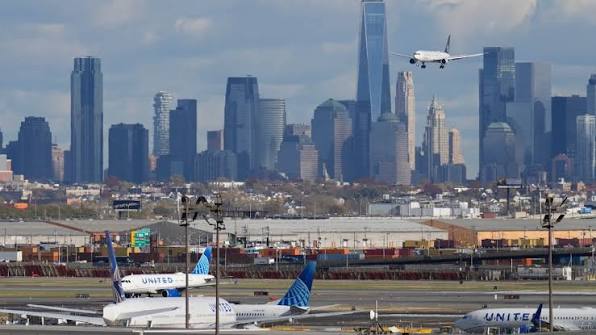
You might already have seen the headlines: the FAA is cutting roughly 10% of flights at 40 major airports because of staffing shortages. That means if you’re flying through Chicago, Atlanta, Dallas, or New York, expect fewer flights, more crowding, and a higher likelihood your itinerary will get shuffled. (AP News) And TSA?
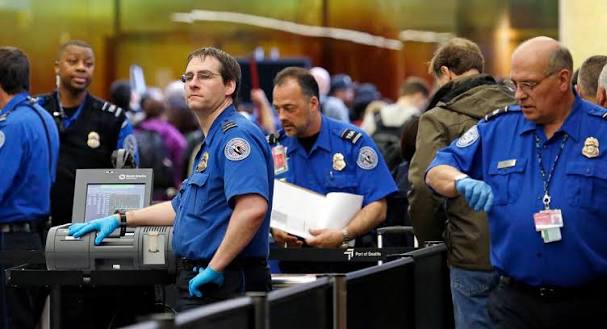
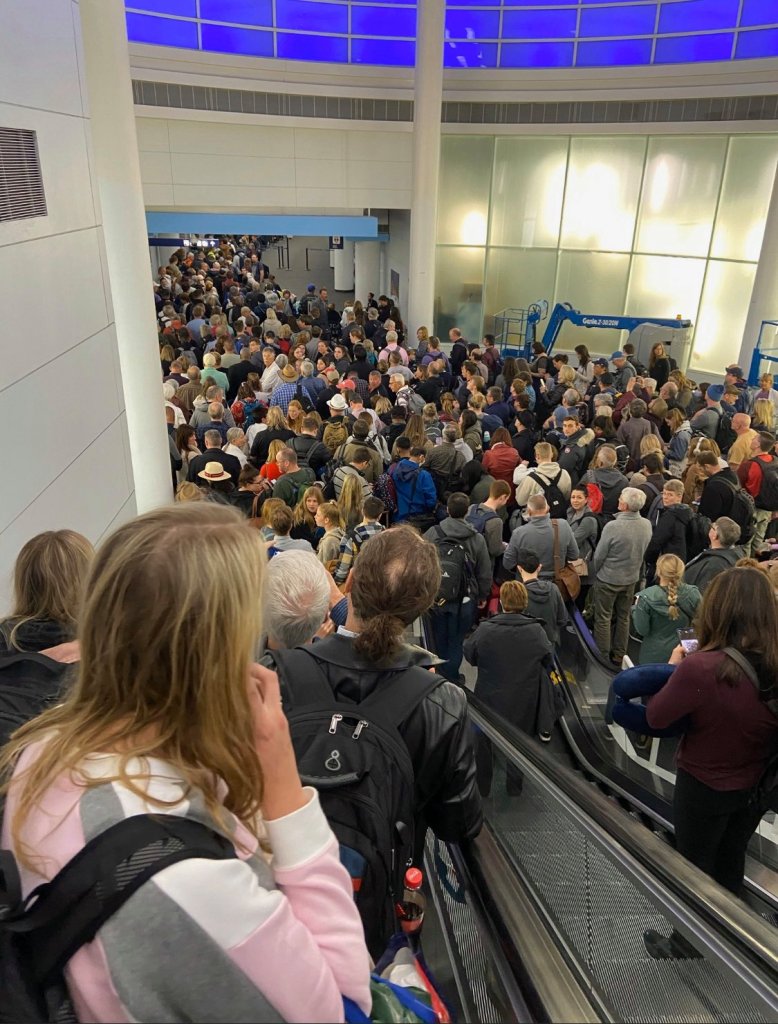
They’re still working, but lines are longer than usual. Agents are often working overtime without pay, leading to slower processing. Add it all together, and a flight that normally requires a 90-minute pre-boarding window may now require 3 hours or more, especially at major hubs.
Traveler advice:
Imagine flying from New York to Miami. Your 9 a.m. flight was originally scheduled as a direct, but because of FAA staffing cuts, your flight now has a 2 hour layover in Atlanta. Security lines are longer, boarding is delayed, and you end up spending an extra 4 hours just getting to your destination. A 4 hour drive? You would have been there by 1 p.m. without the uncertainty.
International Travel (Passports & Visas)
Here’s another tricky one: if your vacation or business trip involves international travel, a shutdown can completely derail your plans. Passport and visa offices may reduce services, focusing only on emergency requests. That means routine applications or renewals slow down or even stop entirely.
Traveler advice:
- If your passport is expiring soon, don’t count on expedited service. During a shutdown, the “fast track” may not exist.
- If your international trip is within 6 weeks and your passport or visa isn’t confirmed, seriously consider rescheduling. The stress of trying to get documents last-minute is rarely worth it.
- Plan domestic alternatives: national parks, city trips, or private resorts can replace international destinations without the uncertainty.
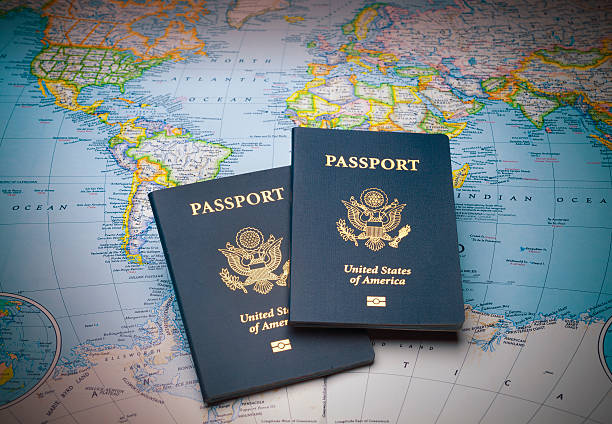
My fiancée recently tried to renew her passport. The official guidance says to apply at least six months before your next trip, but in practice six months often means closer to nine months to account for processing delays. Even outside a shutdown, this can lead to long waits and unexpected stress. If a shutdown hits, expect further delays, so plan far ahead if you have international travel coming up.
Federal Attractions & Sites
Many of the iconic federal attractions you might plan around, such as the Smithsonian Museum, National Monuments, and parks, may close or operate with minimal staff. Even if they are technically open, services like guided tours, restrooms, and visitor centers may be unavailable.
Traveler advice:
- Back up your sightseeing: Look for state parks, city run museums, or privately managed attractions. Often, these spots are just as interesting and unaffected by federal funding.
- Call ahead or check websites: Don’t show up to a national park expecting a ranger led experience if no rangers are on duty.
- Build flexibility into your itinerary: Use apps or guidebooks to identify alternatives in real time.
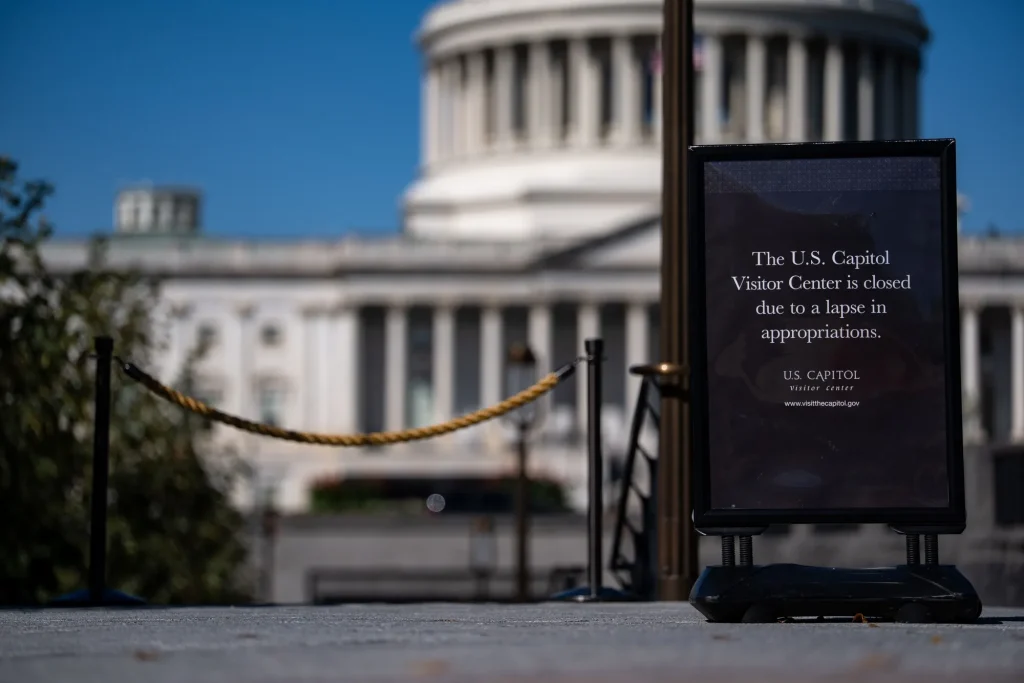
A family traveling to Washington, D.C. found the National Air and Space Museum closed due to furloughs. Instead, they booked tickets for a private aviation exhibit nearby, paid a small fee, avoided crowds, and had an unexpectedly fun day.
Action Plan: The Driving vs. Flying Calculation
Here’s the part where most travelers lose money and time, but you don’t have to. I call it the “4 Hour Driving Rule.”

The Cost Benefit Analysis
Flying short distances during a shutdown comes with elevated risks:
- Flight cancellation or rerouting due to staffing or FAA mandated cuts
- Longer security lines and boarding delays
- Extra baggage and car rental costs
- Potential overnight stays if you miss a connection
Imagine your flight costs $300, plus $50 for baggage, another $30 for airport parking, and an extra $100 for a car rental. Then, add a 4 hour delay due to staffing issues. Total time spent? Easily 8 to 10 hours door to door.
Meanwhile, driving 3 to 4 hours gives you:
- Full control of your schedule
- Minimal risk of last minute cancellations
- Lower total cost (fuel, maybe tolls, but no ticket surcharges)
The 4-Hour Driving Rule
If your destination is 4 hours or less by car, driving is usually the smarter option.
Benefits:
- Cost savings: Avoid airline ticket surcharges, baggage fees, and airport parking.
- Time savings: A 4-hour drive can be faster than 3 hours at the airport + 1-hour flight + car rental + delays.
- Control: You set your departure and arrival times, and you don’t have to depend on overworked staff.
Before booking a flight, calculate your total door-to-door time. If driving is close in duration and comfort, hit the road. Keep flights for longer trips where alternatives aren’t feasible.
Flying from Atlanta to Charlotte? Door-to-door time by plane could hit 6–7 hours with TSA, flight, and car rental. Driving is only 4.5 hours. Stress-free, cheaper, and you get to listen to your favorite podcasts the whole way.
Future Outlook & Preparedness
Government shutdowns don’t just affect today’s travel, they can have long term consequences:
- FAA modernization projects may pause
- Air traffic controller training may slow
- Technology upgrades like NextGen air traffic systems could be delayed
This means flying may become structurally less efficient for months or even years, especially if shutdowns happen repeatedly.
Additional Tips for Stress-Free Shutdown Travel

- Pack smart: Extra snacks, water, chargers, and entertainment can turn airport delays from miserable to manageable.
- Stay informed: Airline apps, government travel alerts, and local news feeds help you pivot quickly.
- Plan extra time at airports: Even minor delays at security or check-in can compound during a shutdown.
- Consider alternative airports: Smaller regional airports may have shorter lines and fewer delays.
- Keep a positive mindset: Flexibility is your best travel companion.
Conclusion
A government shutdown doesn’t mean you can’t travel, but it does mean you must travel smarter. Expect things to run slower than usual, and give yourself extra time.
Use driving as a strategic alternative, build flexibility into your schedule, and don’t assume everything will run like clockwork. By planning ahead, maintaining a travel buffer, and leaning into alternatives, you can turn a shutdown from a headache into a manageable, and even enjoyable, travel experience.
Remember, your trip doesn’t have to be canceled, it just might require a little more planning, a lot more flexibility, and occasionally, taking the road less flown.

Flying vs Driving During a Government Shutdown
| Factor | Flying | Driving (≤4 Hours) |
|---|---|---|
| Cost | $200 to $500+ per ticket, checked bags, parking, rentals | Fuel and tolls only (~$30 to $80 for most trips) |
| Time | 3+ hrs at airport plus flight plus car transfer plus potential delays | 3 to 4 hours door to door, predictable |
| Control | Dependent on FAA, TSA, and airline staffing | You set schedule, route, stops |
| Stress | High if flights are delayed or canceled | Lower, traffic is predictable, breaks on demand |
| Flexibility | Low, rescheduling may be costly | High, change route or departure time easily |
| Risk of Disruption | High during shutdown (up to 20% flights canceled) | Low, weather and traffic are primary factors |
| Best Use Case | Trips over 4 hours or international travel | Short to mid range domestic trips |
For trips under 4 hours, driving often saves time, money, and stress. Especially during a government shutdown.
Top 10 Most Affected Airports During a Shutdown
Based on FAA staffing reductions and high-volume traffic data (AP News, The Guardian):
- Hartsfield-Jackson Atlanta (ATL) – Major hub with ~10% flight reductions
- Chicago O’Hare (ORD) – ATC staffing cuts causing delays
- Los Angeles International (LAX) – High volume, TSA lines lengthened
- Dallas/Fort Worth (DFW) – Connecting flights rerouted, cancellations possible
- New York JFK (JFK) – Flight scheduling reduced, international lines impacted
- San Francisco (SFO) – Staffing shortages affecting both TSA & ATC
- Denver (DEN) – Winter season + shutdown = compounding delays
- Seattle-Tacoma (SEA) – Frequent cancellations, fewer backup flights
- Miami (MIA) – International flight processing slowed
- Washington Dulles (IAD) – Passport & visa processing delays affecting travelers
If flying is unavoidable, consider regional airports near these hubs. Shorter lines, fewer delays, and often cheaper flights.
Travel-Ready Checklist for Government Shutdowns
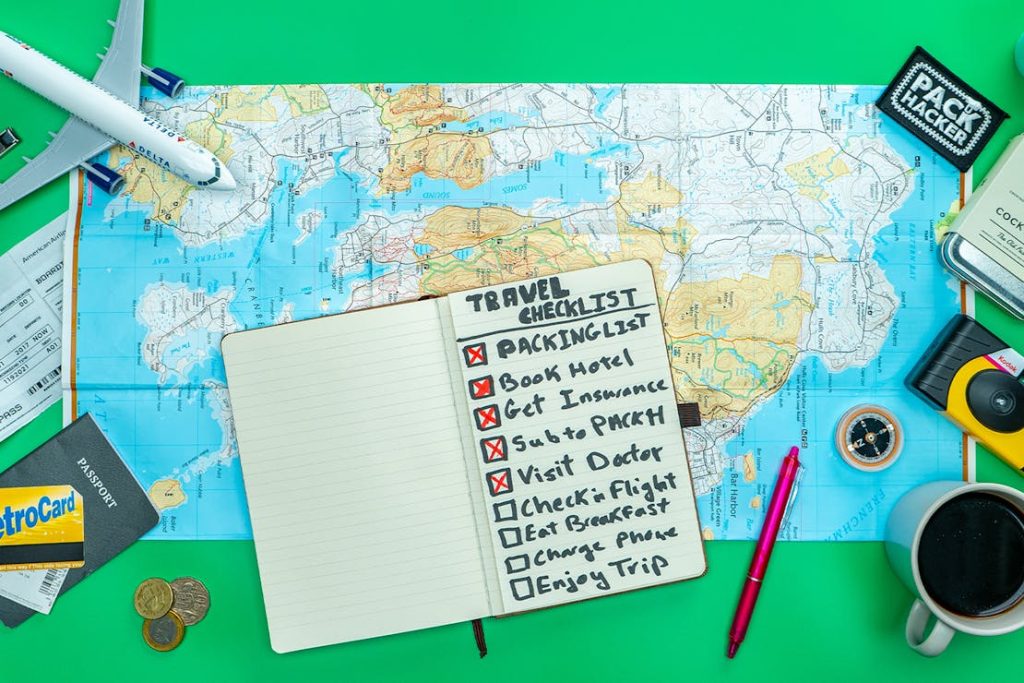
Here’s a practical checklist to reduce stress and avoid unexpected costs:
Pro tip: Folding this checklist into a travel app or printed itinerary ensures you’re ready for both planned and unexpected disruptions.

Final Takeaways
A government shutdown does not stop travel, but it does slow it down and increase costs.
Short trips? Driving is often faster, cheaper, and less stressful.
Long trips? Flexible bookings, insurance, and proactive planning are essential.
Federal sites, TSA, and FAA staffing issues mean backup plans are non negotiable.
By anticipating delays, building flexibility into your schedule, and using the 4 Hour Driving Rule, you can still have smooth, enjoyable travel.
- Domestic Travel Continues To Anchor U.S. Tourism
- The New Vacation
- No REAL ID? Here’s What to Expect
- Escaping the Cold Why We Chose Warmth and Never Looked Back
- The Ultimate Local Guide to Morehead City, North Carolina
Join 300+ Travelers
Get the latest tips, guides, and insider knowledge to make every trip unforgettable.
Leave a Reply