

For people who work from home or live as digital nomads, vacations in 2026 are no longer just about unplugging. They are about using time away to reset routines, gain new skills, and stay productive while experiencing a new place.
As remote work remains a permanent part of the workforce, travel and work are increasingly blending. Instead of short, disconnected trips, many travelers are choosing longer stays that allow them to work, learn, and live in one location at the same time.
Remote Workers Are Redefining What a Vacation Looks Like
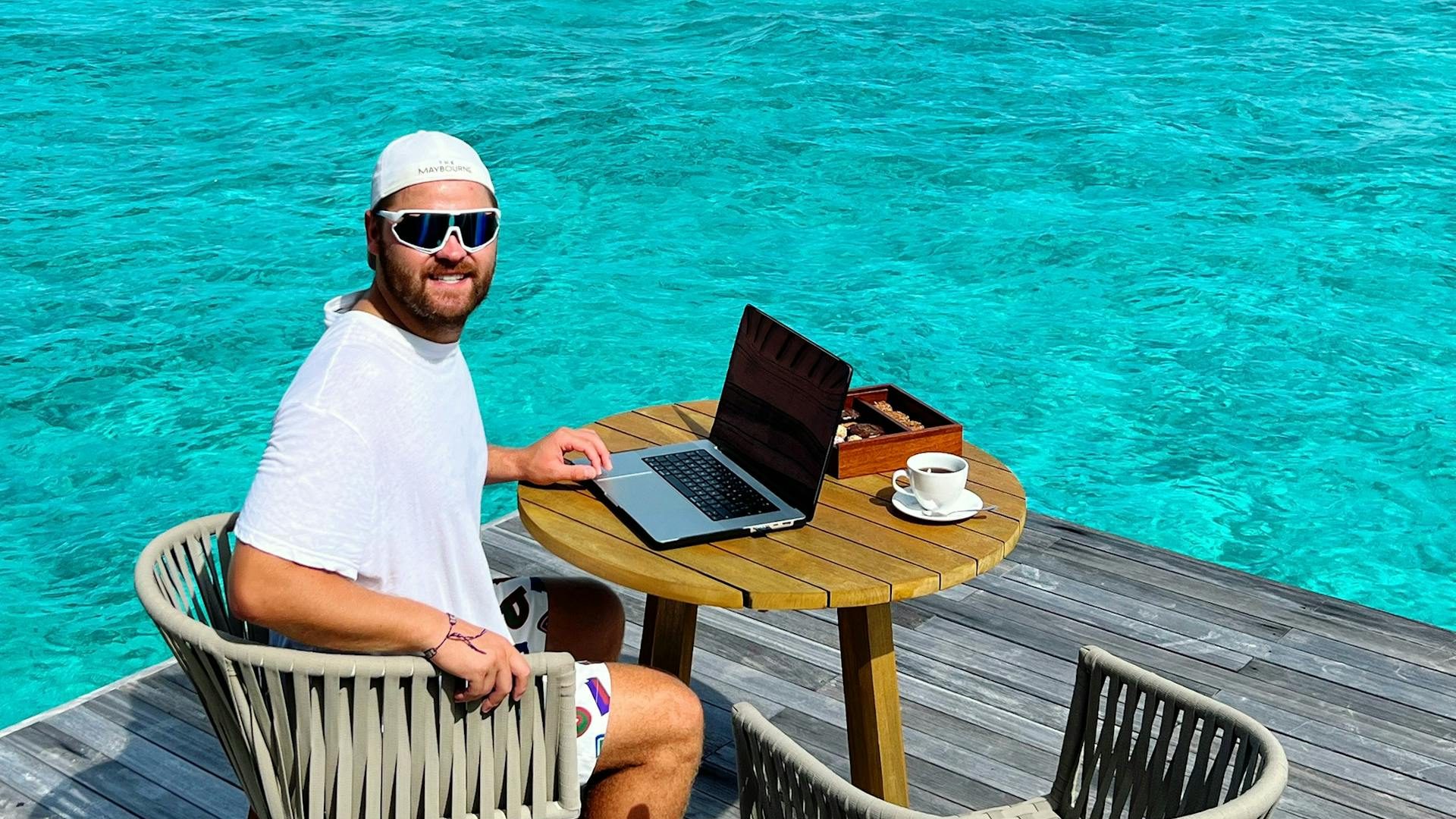
Remote work has changed how people think about time off. Without a daily commute or a fixed office, many workers no longer see travel as something that has to be squeezed into a single week. Instead, they are stretching trips out and designing them around flexibility.
This shift is reshaping how people use PTO and how the travel industry markets destinations. Travel is no longer just an escape from work. For many, it has become a way to improve focus, creativity, and long term well-being.
The rise of work-friendly travel is backed by real workforce data. In the United States alone, an estimated 18.1 million workers identified as digital nomads in 2024, reflecting a growing group of people who regularly combine remote work with travel.
At the same time, roughly 22 percent of the U.S. workforce was working remotely in 2025, showing that location flexibility is no longer niche.
Together, those numbers explain why longer stays and work-enabled travel are becoming more common in 2026.
How Work Friendly Travel Actually Works?
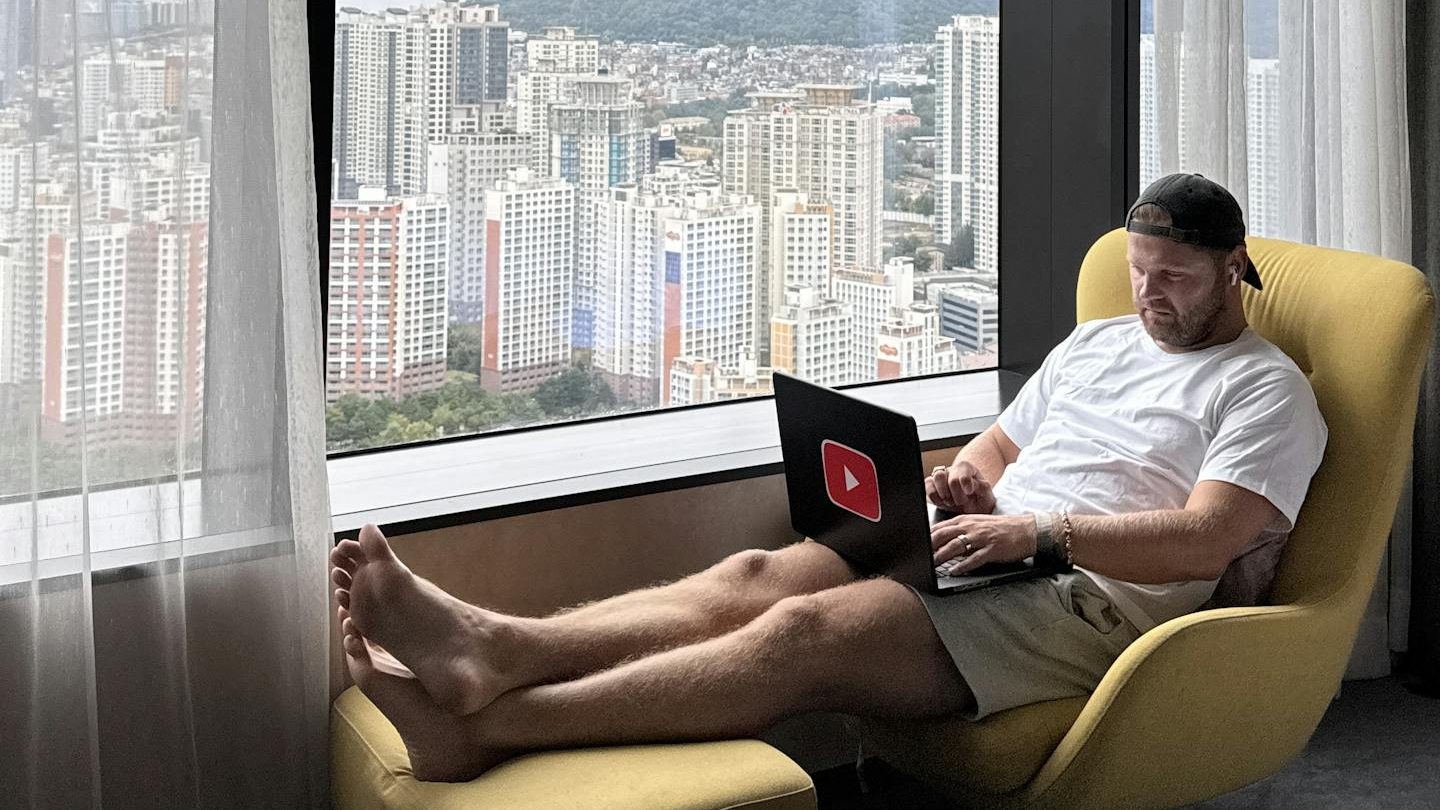
This shift is closely tied to the growth of remote work, with surveys showing that flexibility directly influences how often and how long people travel.
These trips often look very different from a standard getaway. Skill-focused travel experiences typically cost around $7,000, according to tourism industry research, but many travelers see the price as an investment rather than a splurge.
For remote workers and digital nomads, these trips frequently double as work-friendly stays. Reports on digital nomad behavior show that many travelers remain in one location for three to six months, allowing them to maintain routines, reduce travel stress, and build a deeper connection to where they are staying.
Travel for this group is also increasingly tied to personal growth. Trips are built around experiences like cooking programs, wellness retreats, outdoor skills, or creative pursuits. Industry trend reports identify this as a defining pattern in 2026 travel, with travelers prioritizing experiences that leave them with new skills or perspectives rather than simply time away.
Taken together, this reflects a broader mindset shift. Time away from home is no longer a break from work, but a way to grow while staying productive.
How the Travel Industry Is Responding
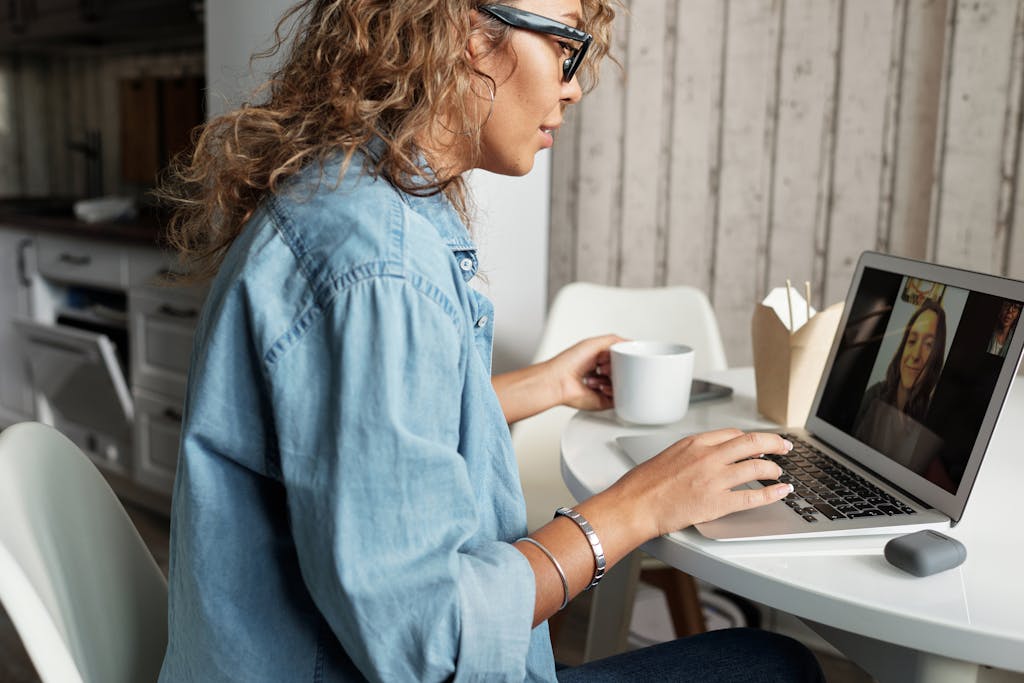
The travel industry is rapidly adjusting to the rise of remote work. Hotels and destinations are expanding long-stay options, adding coworking-friendly spaces, and designing amenities for guests who stay weeks or months at a time. This shift mirrors the growth of long-term stays, now one of the fastest-growing travel segments.
Rather than one-off activities, destinations are offering workshops, wellness programs, and learning-focused stays that fit into daily routines. Travel industry analysis shows these experiences appeal to travelers who want trips that support both work and personal growth.
Domestic destinations are benefiting from this trend. Highlighted in work-from-anywhere travel trends, where flexibility matters more than distance.
In 2026, vacations for remote workers are more about aligning travel with how they live and work. With success measured by readiness for what comes next rather than total disconnection.
- Domestic Travel Continues To Anchor U.S. Tourism
- The New Vacation
- No REAL ID? Here’s What to Expect
- Escaping the Cold Why We Chose Warmth and Never Looked Back
- The Ultimate Local Guide to Morehead City, North Carolina