
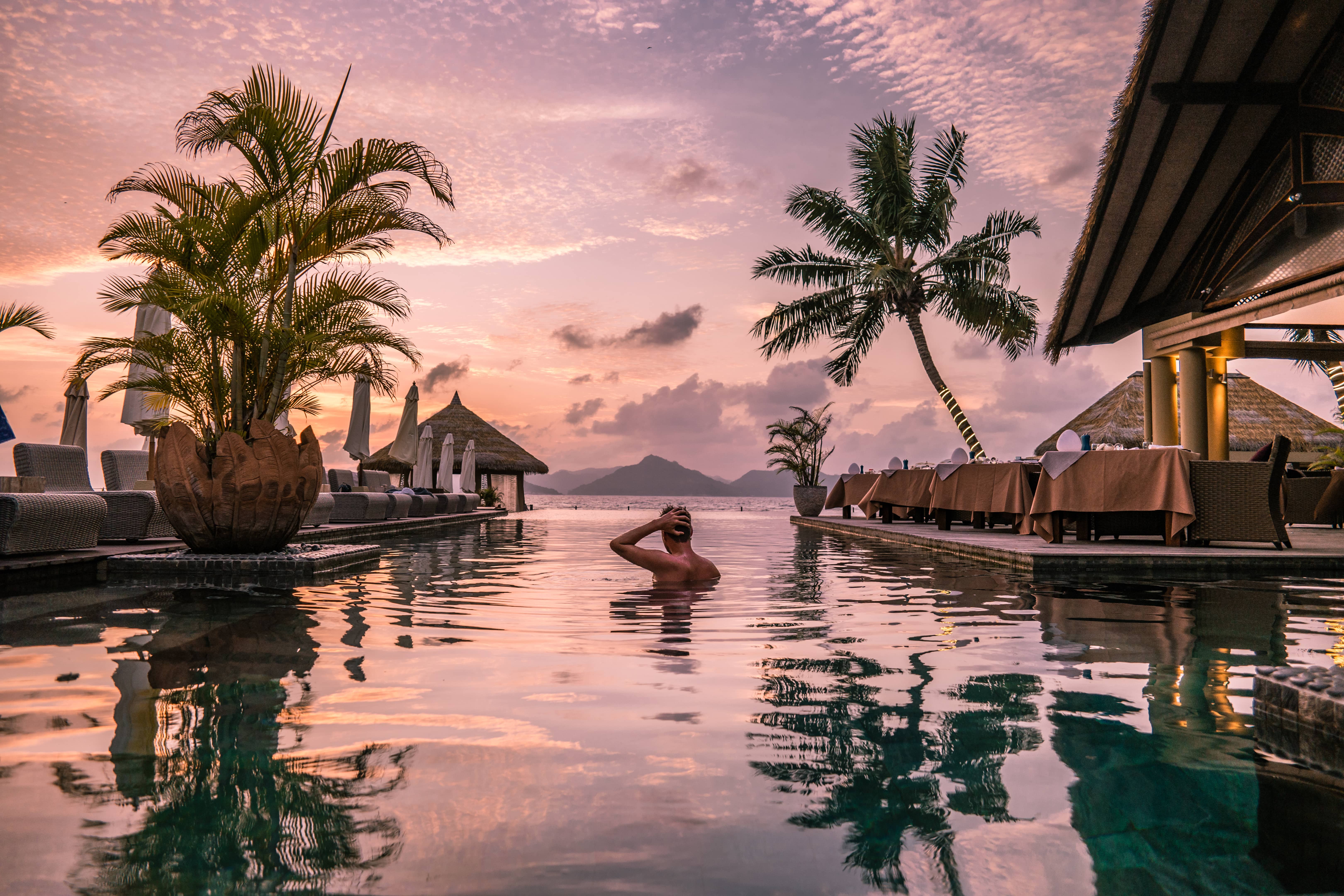
The luxury travel market is in the midst of an evolution. While headlines often highlight private jets, exclusive resorts, and high-end cruises, the real story lies in the underlying trends reshaping what luxury travel means in 2025 and beyond. From immersive experiences to sustainable escapes and privacy-driven choices, understanding these trends can help travelers make smarter, more meaningful travel decisions.
Private Aviation and the Surge in High-End Mobility
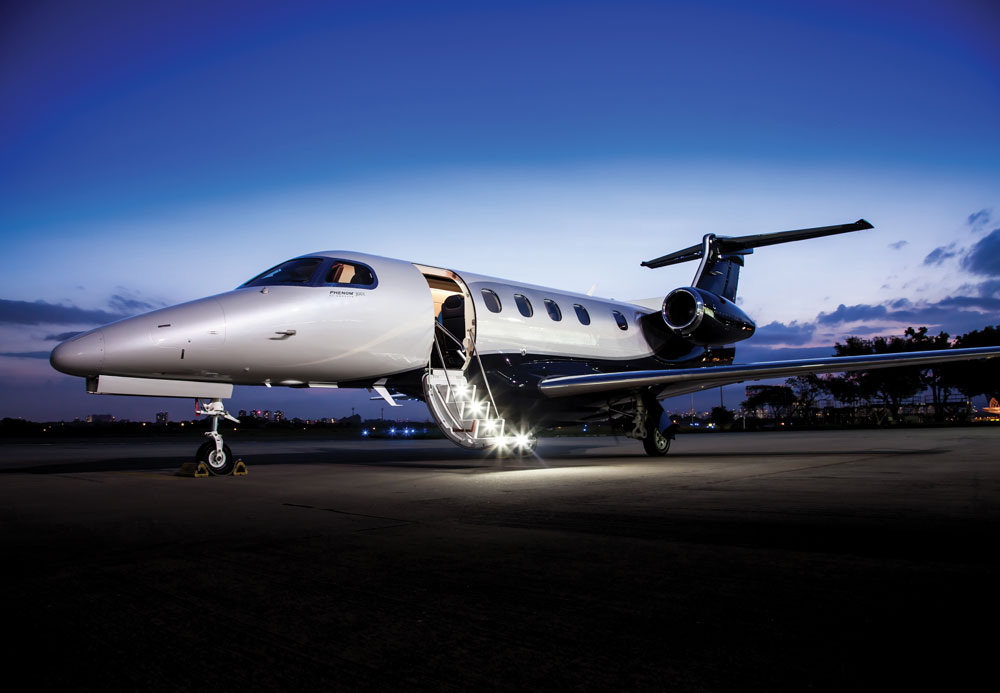
Private jet travel is booming, and it’s more than a symbol of status—it’s a practical response to convenience, health, and flexibility. The increase in demand stems from multiple factors:
- Pandemic-Inspired Habits: Many travelers now prioritize private, controlled environments. The shift from crowded commercial flights to smaller, private charters has accelerated post-pandemic.
- Efficiency and Time-Saving: Business and high-net-worth travelers value time more than ever. Flying privately reduces wait times, eliminates layovers, and allows seamless connections across multiple destinations.
- Economic Segmentation: While public perception may focus on “wealthy elites,” fractional ownership programs, jet cards, and membership-based charter services have made private flying more accessible to a broader segment of luxury travelers.
This trend suggests that luxury travel is moving toward mobility and convenience, not just opulence. Travelers willing to pay for private experiences are effectively buying time, control, and comfort, which has become as valuable as traditional markers of luxury like gold fixtures or five-star suites.
Deep Luxury: Experiences Over Excess
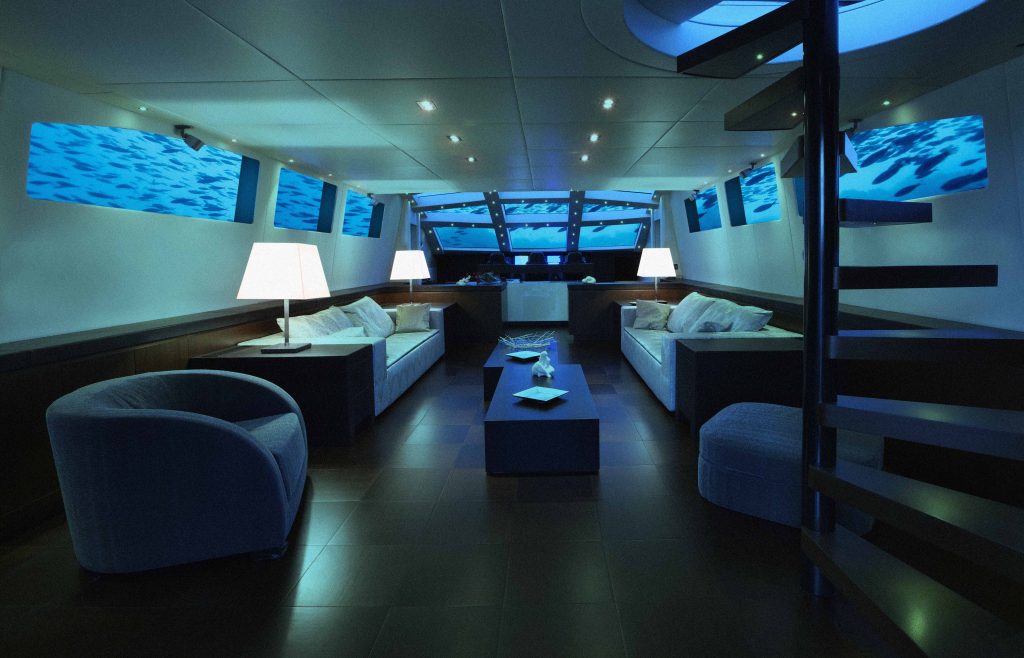
Traditional luxury often focused on the visible symbols of wealth—grand hotels, designer labels, and exclusive parties. Today, deep luxury is redefining the sector. Travelers are prioritizing:
- Immersive cultural experiences
- Wellness retreats and mental health-focused travel
- Small-group tours and expert-led excursions
- Private, meaningful interactions with local communities
A Forbes analysis shows that the new high-end traveler seeks substance over flash. A private safari with conservation education, a culinary workshop with a Michelin-starred chef, or a wellness retreat in the Alps are more desirable than a penthouse suite alone.
Why this trend matters: Luxury travelers are increasingly experience-driven, which pushes the hospitality industry to innovate in ways that emphasize authenticity, personalization, and sustainability. Resorts and hotels now market themselves based on the depth and uniqueness of the experience rather than just the price tag.
Sustainability as a Core Component of Luxury
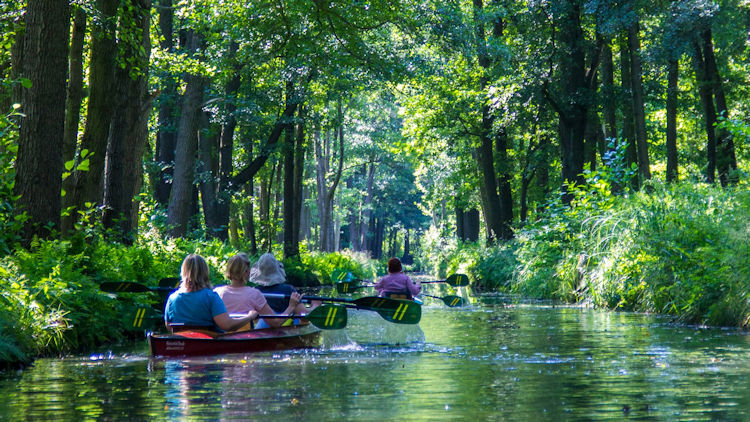
High-end travelers are also more conscious of the environmental and social impact of their trips. Luxury now means responsibility without compromise. Key examples include:
- Eco-lodges and carbon-neutral resorts
- Luxury cruises with emissions offset programs
- Private jet companies offering carbon-offset memberships
- Experiential travel that supports local communities
This is a significant departure from previous eras, when luxury travel could prioritize extravagance over ethics. Today’s affluent travelers want both indulgence and conscience, creating opportunities for brands that combine sustainability with high service standards.
Nature-Focused and Off-Season Escapes

Data from travel agencies and booking platforms shows a surge in remote, off-season destinations. Popular options include:
- Lapland, Finland: Winter wilderness escapes with northern lights viewings
- Patagonia, Chile & Argentina: Adventure-focused luxury lodges
- Atacama Desert, Chile: Private stargazing and wellness retreats
- Remote islands in the Caribbean or Mediterranean: Exclusive, low-crowd experiences
These destinations are popular because they offer solitude, exclusivity, and a unique sense of place. Off-season travel also allows luxury travelers to avoid crowds, enjoy personalized service, and experience destinations in a more authentic way.
Wellness, Privacy, and Flexibility: The Pillars of Modern Luxury
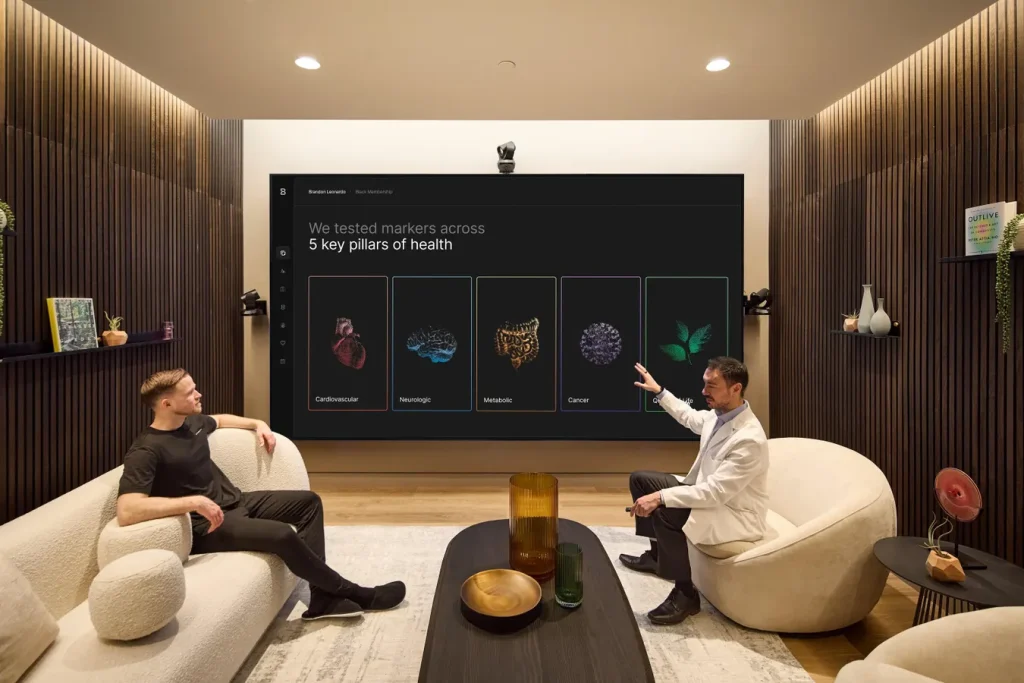
Several surveys and industry reports highlight that luxury travel is now defined by wellness, privacy, and flexibility:
- Wellness: Yoga, meditation, spa, and fitness experiences integrated into the trip.
- Privacy: Villas, private yachts, and secluded resorts are increasingly preferred over bustling hotels.
- Flexibility: Customized itineraries, last-minute changes, and multi-destination trips are in high demand.
Many affluent travelers are booking multi-week itineraries combining private jets with boutique resorts and guided experiences. This offers them both control over their schedule and deep engagement with the destinations.
Winter Escapes and the Holiday Luxury Market
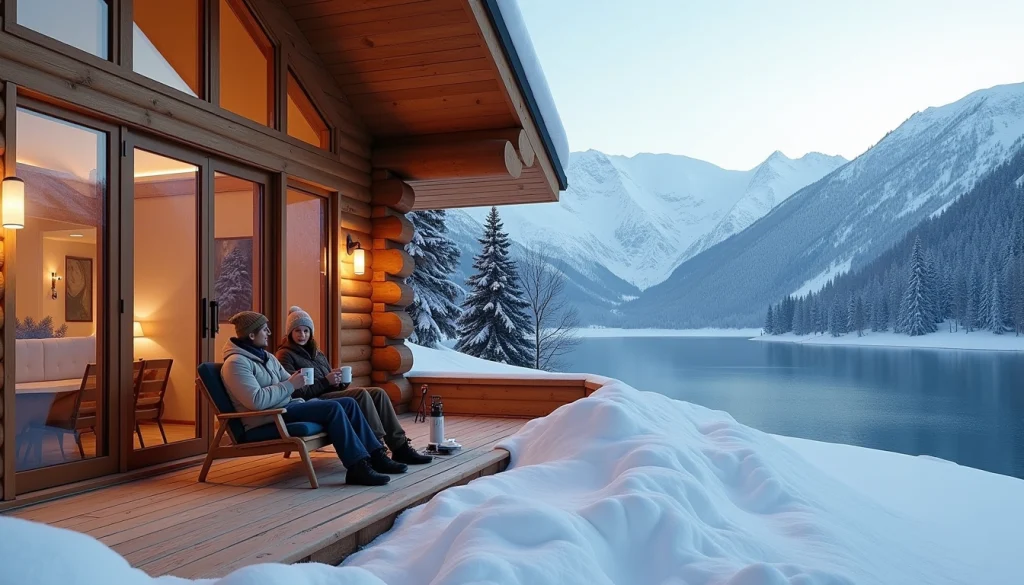
The winter season is proving particularly strong for high-end travel. Packages like luxury Lapland getaways are becoming social media sensations, offering:
- Secluded estates with exclusive access
- Winter sports and outdoor activities
- Northern lights viewing
- Eco-friendly luxury with carbon-offset options
Seasonal luxury travel is shifting toward experiences that blend adventure, comfort, and sustainability. This trend suggests that even for traditional luxury markets, what matters most is how a traveler feels during the trip, not just where they stay.
Economic Resilience of Luxury Travel

Despite global economic headwinds, luxury travel continues to rebound faster than mainstream tourism. Key drivers include:
- High-net-worth individuals prioritizing spending on experiences over material goods
- Emerging markets adding new luxury travelers from Asia and the Middle East
- Growing interest in private travel solutions for safety, convenience, and health considerations
Luxury travel is increasingly insulated from typical economic downturns because the value proposition is about time, health, and unique experiences, not just price.
Practical Takeaways for Travelers
- Vet providers carefully: Especially for private aviation, luxury cruises, or boutique resorts. Certifications and reviews matter.
- Focus on experiences, not things: Opt for immersive, meaningful activities over flashy hotels or expensive add-ons.
- Embrace off-season destinations: Fewer crowds, more personalized service, and often more sustainable travel.
- Combine privacy with engagement: Private spaces for wellness or relaxation paired with curated local experiences.
- Plan for flexibility: Luxury travelers value trips that can adapt to mood, weather, and opportunities.

What This Trend Analysis Tells Us About the Future
The luxury travel industry is moving toward:
- Personalized, experience-driven trips rather than cookie-cutter packages
- Sustainability as a standard, not a bonus
- Privacy and exclusivity across all travel modes
- Immersive cultural, wellness, and nature-focused experiences
For travelers and brands alike, understanding these dynamics is essential. Those who adapt quickly will capture the next wave of high-end tourism, while those clinging to traditional luxury models may find themselves lagging behind.
Leave a Reply