
Exploring the Unexplored
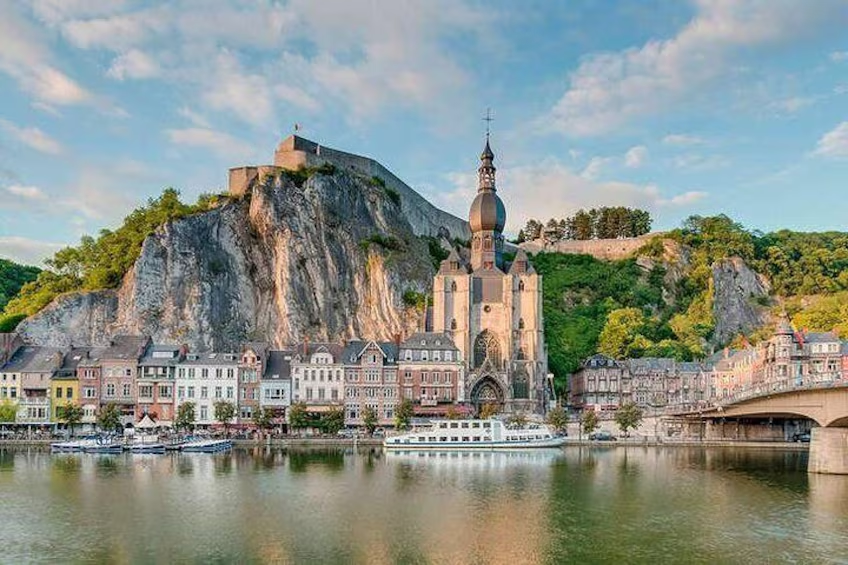
I used to think travel meant famous places. Big cities. Landmarks I had already seen countless times online before ever arriving. I assumed crowds were part of the experience. Waiting in line. Dodging tour groups. Competing for the same photo everyone else already had.
Over time that excitement faded.
What replaced it was a growing desire for something quieter and more personal. That shift in how I travel mirrors a larger movement happening across the travel world. More travelers are choosing places that exist outside the spotlight. They are leaving crowds behind in favor of hidden gems.
When Popular Places Start to Feel Overwhelming
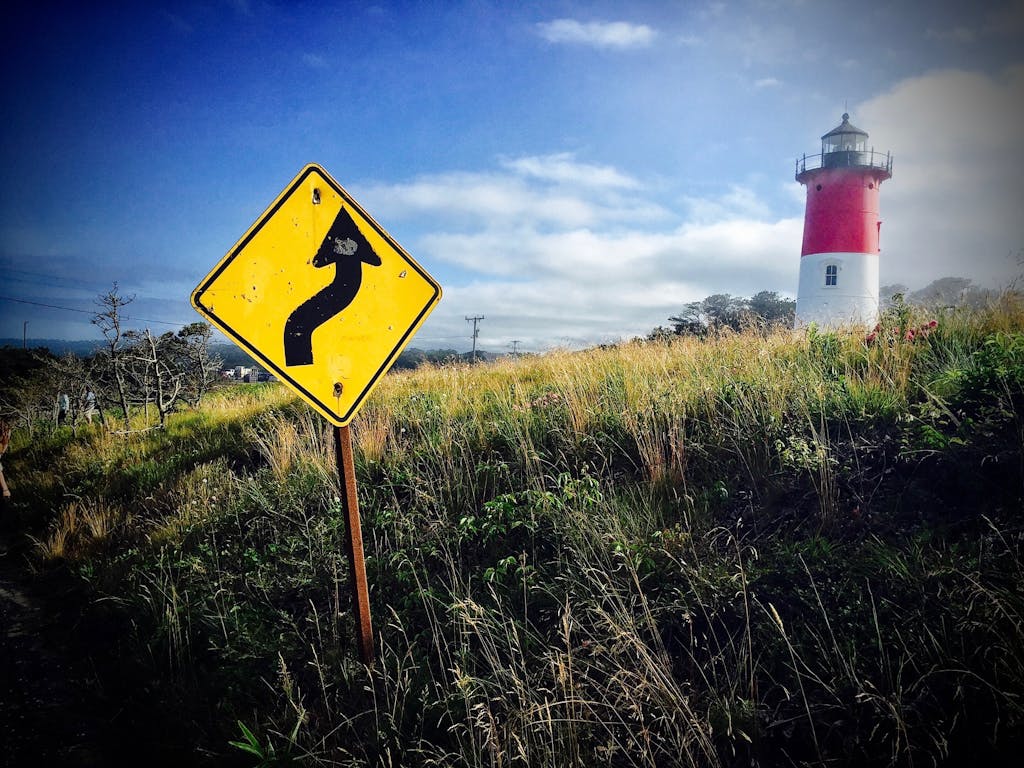
My relationship with quieter travel began in Weymouth Massachusetts. I lived there first arriving in January and staying for three months. Weymouth felt lived in rather than visited. It was coastal but calm. Historic without feeling preserved for show.
Walking near the water I noticed how daily life unfolded naturally. Locals greeted each other. Small businesses catered to residents not tourists. There was no rush to capture moments because the moments were not going anywhere.
That sense of normalcy made an impression on me. It showed me that places do not need constant attention to be meaningful.
Finding Quiet in Unexpected Places
From Weymouth I moved to Milton and stayed there until November. Milton was quieter still. Suburban. Grounded. Life moved slowly and intentionally.
There were no crowds shaping the rhythm of the town. Mornings were peaceful. Evenings were unhurried. Living there reinforced something I was already beginning to understand. The places that feel best are often the ones that are not trying to be discovered.
Milton taught me how valuable space and silence can be. That lesson carried into how I chose my next destinations.
Today I live in Atlantic Beach North Carolina. It is a coastal town but very different from tourist heavy beach destinations. Here the ocean feels present rather than commercialized. Locals still define the pace. The beach belongs to people who live here not just those passing through.
Living in Atlantic Beach has brought everything full circle. I can feel how fragile the balance is between a place that remains authentic and one that becomes overwhelmed. It has made me more intentional about how and where I travel.

Why Travelers Are Seeking Hidden Gems
More travelers are feeling the same pull. People want depth instead of checklists. They want connection instead of congestion.
Hidden gem destinations allow travelers to experience places as they truly are. There is less competition for space and more opportunity for conversation. Supporting local businesses feels natural rather than transactional.
There is also growing awareness around over tourism. Crowds strain infrastructure raise prices and alter daily life for residents. Choosing lesser known destinations helps spread tourism more evenly and allows communities to benefit without being overwhelmed.
From Personal Change to a Broader Movement
What started as a personal shift for me is now something I see reflected everywhere. Conversations with other travelers. Stories shared online. Articles about where people are choosing to go and just as importantly where they are choosing not to go.
More travelers are stepping away from places that feel overcrowded and predictable. They are no longer chasing destinations simply because they appear everywhere online. Instead they are asking different questions. Will I have space here, will I be able to slow down. Will this place feel lived in rather than staged.
That change is not about novelty. It is about intention.

How Others Are Discovering Hidden Gems
Many travelers are finding that same sense of discovery in places that do not dominate headlines. Nature focused destinations are drawing people who want quiet and perspective. Countries with smaller tourism footprints are becoming more appealing because interactions feel genuine and unhurried.
For some that looks like rainforests and rivers in places such as Guyana where tourism still feels careful and respectful. Travelers describe experiences shaped by nature rather than schedules. The environment sets the pace not tour buses.
Others are finding hidden gems within well known cities. In Prague many travelers now spend less time in crowded squares and more time in residential neighborhoods. Local cafes. Quiet streets. Moments that feel unscripted. The city becomes personal once you step away from what everyone else is doing.
Hidden gems are not always remote or unfamiliar. Often they are simply overlooked.
Why This Shift Is Gaining Momentum
Several forces are driving this change. Overtourism has made popular destinations feel exhausting rather than inspiring. Rising costs have pushed travelers to seek better value in less crowded regions. Social media fatigue has made familiar images feel repetitive.
At the same time people are craving experiences that feel grounding. Slower travel allows room for observation. It invites conversation. It leaves space for memory rather than constant stimulation.
Travelers are realizing that connection rarely happens in crowds.
The Trade Offs and the Rewards
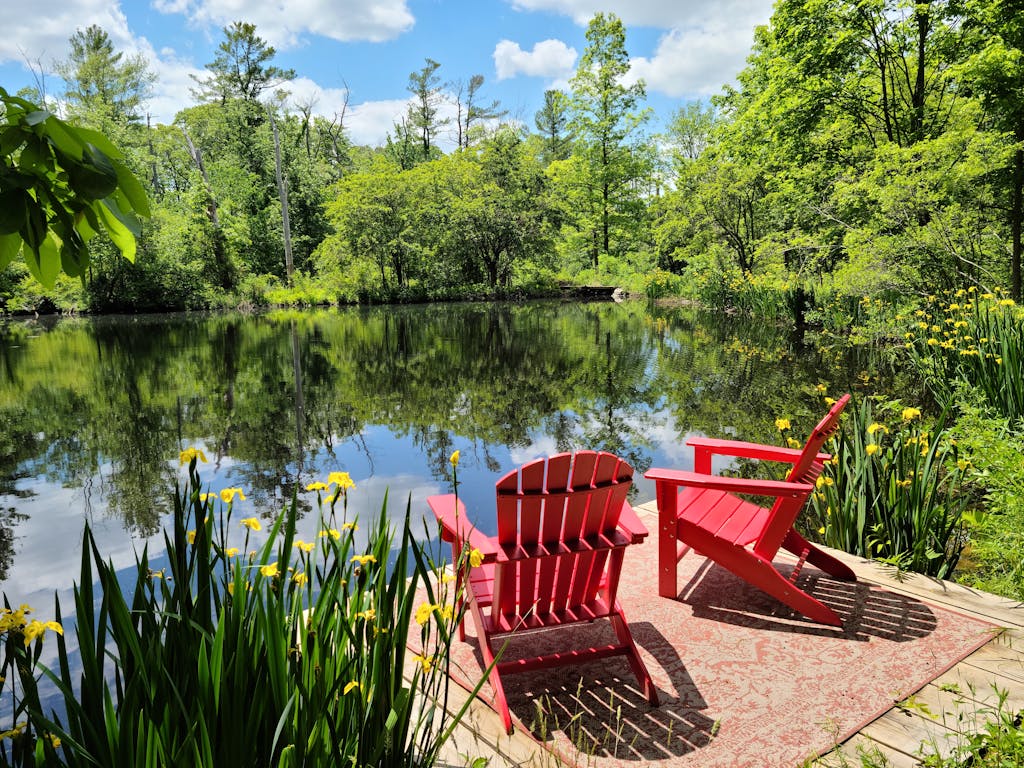
Choosing quieter destinations does require more effort. Transportation may take longer. Infrastructure may be simpler. Language barriers can be more present.
But travelers are finding that these challenges are part of the reward. Slower movement leads to deeper awareness. Fewer distractions lead to stronger impressions. These trips stay with people because they feel earned rather than consumed.
What travelers bring home is not just photos but perspective.

How This Shift Is Changing Travel as a Whole
As demand grows the travel industry is adapting. Smaller regions are receiving more attention. Community based tourism is expanding. Sustainability is becoming central to how trips are designed rather than an afterthought.
Social media reflects this change too. Travelers are sharing places that feel meaningful instead of familiar. Authenticity is replacing performance. Discovery is replacing replication.
The idea of travel success is changing.
Conclusion
From Weymouth to Milton and now Atlantic Beach my own path mirrors what many travelers are experiencing. A move away from noise. A move toward places that allow space to exist without spectacle.
Hidden gem travel is not about avoiding the world. It is about engaging with it more honestly. As more people step off the crowded path they are finding what travel was meant to offer all along.
Presence. Connection. Discovery.
The unexplored is still out there. It is simply waiting for those willing to slow down and look differently.
Leave a Reply