
What Researchers Found
A recent national survey of U.S. adults age 50 and older found that most people currently reach their primary care physician within 30 minutes. But when asked how far they would be willing to travel before delaying or skipping care, the average acceptable threshold shot up to nearly 60 minutes.
- About 82 percent of respondents with a usual doctor currently travel 30 minutes or less to get care.
- Only 2.6 percent reported traveling more than one hour presently.
- If care became harder to access or doctors fewer, 77 percent said they would accept a longer commute before giving up care, on average adding about 33 minutes to their current travel time.
That gap between where most people are now and how far they say they would be willing to go suggests serious fragility in access to primary care. If driving times increase due to clinic closures, physician shortages, or other disruptions, many people could delay or forgo care altogether.
The survey also highlighted inequities. Those with lower income, racial and ethnic minorities, less education, and people in urban settings were significantly less likely to accept longer travel time. Rising travel burdens do not affect everyone equally. They hit vulnerable groups hardest.
Distance Actually Affects Care Quality and Outcomes

The survey findings reflect broader research showing that distance to care can make or break a patient’s access.
A large Ontario Canada study found patients living more than 30 kilometers from their family physician were more likely to skip regular checkups, miss cancer screenings, and end up in the emergency room for nonurgent conditions.
For patients outside metropolitan areas in the U.S., median travel times for physician visits were nearly double those in metro areas, showing that rural and non metropolitan residents face greater travel burden just to access basic care.
Analysis of emergency and specialized care shows similar trends. Patients in rural areas often drive an hour or more for surgeries or hospital treatment compared with urban patients.
Together this evidence builds a strong case that the closer you live to a provider, the more likely you are to get regular care, preventive services, and avoid emergencies.
Why Travel Thresholds Are Changing Now and What Is Driving Longer Commutes for Care
Several converging trends are increasing travel burden for many Americans:
Physician Shortages and Clinic Closures
Many regions, especially rural, are losing primary care doctors due to retirements, burnout, and low reimbursement. Even in suburban or urban zones, rising demand and fewer providers per capita creates access bottlenecks.
Healthcare Market Consolidation and Centralization
Hospitals and clinics often centralize specialties or expensive treatments in larger centers. That means people must travel farther for anything beyond basic care.
Urban Sprawl and Housing Costs
As city centers become more expensive, people move to suburbs or exurbs, often farther from established health facilities. Over time, this increases average travel distance to primary care.
Preference for Quality Over Proximity
Some patients, even if closer care is available, choose to travel farther for perceived higher quality care or for specialists.

Who is Most at Risk and What This Means for Equity in Healthcare
Because willingness to travel long distances is not evenly distributed, rising travel burdens may worsen existing health inequalities. Vulnerable groups include:
- Individuals with lower income or lower education, who are less likely to accept longer commutes
- People of racial or ethnic minority backgrounds, who are less willing to travel longer distances for care
- Urban residents, who may rely more on public transportation and face difficulties traveling long distances compared with suburban or rural residents
For these groups, increased travel burdens may translate into delayed care, reduced preventive services, and more reliance on emergency rooms instead of regular care.
The Ontario study showed that distance correlates with lower likelihood of receiving routine screenings and higher odds of using emergency services for nonurgent issues. This is not just inconvenience. It is a serious access and equity concern.
What Can Be Done: Policy and Innovation Options to Maintain Access
Given these risks, researchers and policy experts suggest several strategies to prevent travel distance from becoming a barrier:
Strengthen Local Care Capacity
Expand support for clinics in underserved areas. Incentivize physicians to practice in rural or low income communities. Invest in small clinics, community health centers, mobile units, or satellite offices.
Expand Telehealth and Home Based Care Models
Telemedicine can reduce the need to travel for many types of care. Studies show patients who travel long distances report higher satisfaction with telehealth compared with in person visits. Home based care models and mobile clinics could also help reach people who otherwise face travel burdens.
Improve Transportation and Infrastructure Access
Better public transit options, subsidized transport for low income populations, organized shuttle services for rural areas, or policies ensuring no one lives too far from a primary care provider.
Increase Insurance and Payment Support
Ensuring reimbursement models support primary care in underserved areas and reduce financial strain on providers so they remain in those communities.
Policy Awareness and Community Action
Advocate for healthcare access policies, local clinic funding, and community level support networks especially in vulnerable urban and rural neighborhoods.
What You Should Know as a Patient
If you or someone you care about lives far from a doctor or experiences difficult commutes for care, here are some practical steps:
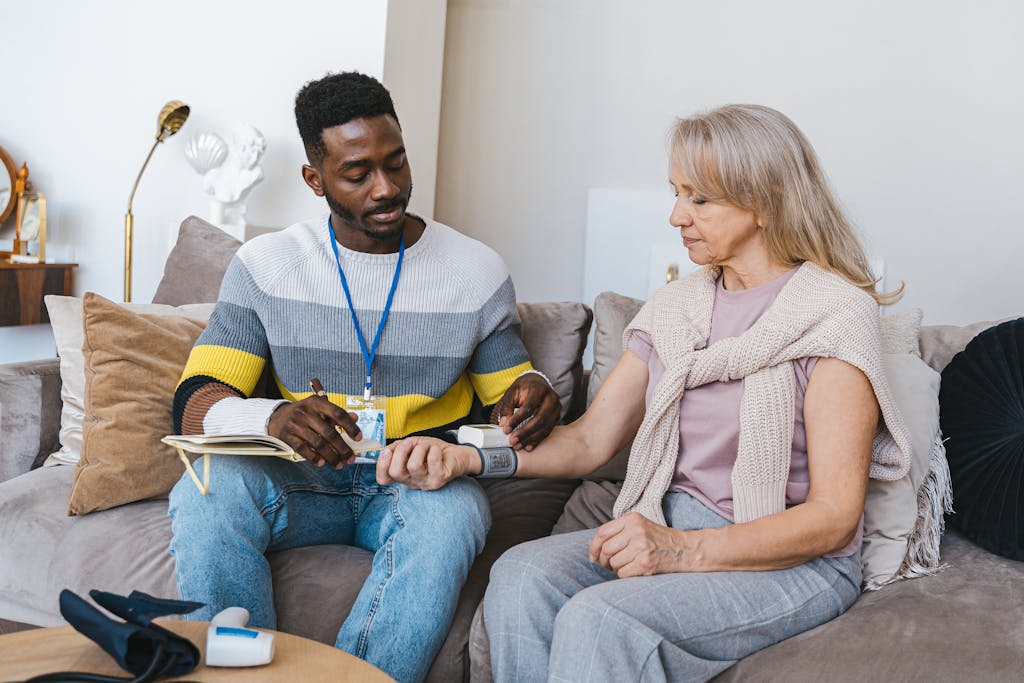
- Consider telehealth for checkups or minor issues, especially if your travel time is over 30 minutes
- Try to schedule regular preventive care before travel becomes a barrier
- Share concerns about travel burden with your provider. They may help coordinate a closer care option or refer to community based services
- If you live in rural or underserved areas, research mobile clinics, community health organizations, or public transit assistance that might ease travel hurdles

Final Thoughts
The new survey showing many Americans are theoretically willing to travel up to 60 minutes for primary care is important, but it is fragile. What seems tolerable under normal conditions can quickly become an obstacle when economic pressure, provider shortages, or social inequities come into play.
Travel distance to care is more than inconvenience. It can be an access barrier that worsens health, delays treatment, and deepens inequalities. If the U.S. healthcare system wants to remain fair and effective for everyone, it must take these findings seriously.
Access to care should not require a long drive.
Leave a Reply