
The holiday season is one of the busiest travel periods of the year. Airports, train stations, and highways are crowded, and millions of people are ordering gifts and packages online. While this time of year is exciting, it also comes with significant risks to your privacy and security. From personal data exposure to scams that target travelers and online shoppers, it is essential to take proactive steps to protect yourself. Understanding these risks and knowing how to respond can help you enjoy the holidays without falling victim to scams or compromising your personal information.
Privacy Risks During Travel
Whenever you travel, you share personal information with multiple organizations. Booking flights, hotel stays, and car rentals usually requires providing your name, address, phone number, email, and payment details. Many travelers also use travel apps that track locations, preferences, and travel itineraries. Public Wi Fi in airports, hotels, and cafes can expose your data if it is not properly secured. Cybercriminals can intercept information such as passwords, credit card numbers, and account credentials over unsecured networks. To stay protected, use a trusted private network service or bring your own internet connection so that your information stays encrypted and out of reach from cybercriminals.
Social media also poses privacy risks during travel. Posting about your location in real time or sharing photos that show you are away from home can make you a target for theft. Criminals can use this information to determine when a home is unoccupied or to tailor phishing attempts that appear relevant to your current travel plans.
Common Holiday Scams and How to Avoid Them
Scams increase dramatically during the holiday season. Some of these scams are new and sophisticated while others have persisted for years because they continue to work.
Package Delivery Scams
One of the most common scams involves fraudulent texts, emails, or phone calls claiming to be from major delivery companies such as UPS, FedEx, or the United States Postal Service. Scammers often claim there is a problem with a package delivery and ask recipients to click a link, provide payment information, or verify personal details.
To stay safe, always verify the message before taking any action. Check whether you actually ordered a package from that retailer or service. Instead of clicking on links in unexpected messages, go directly to the official website of the delivery company and use the tracking number you received from your legitimate order. Never provide personal information or payment details in response to unsolicited messages.
Online Shopping Scams
Holiday shopping online increases the risk of phishing scams, fake websites, and fraudulent listings. Scammers create websites or ads that mimic well-known retailers and offer deals that seem too good to be true. Once you enter your payment information, it is stolen.
To avoid these scams, always verify the authenticity of the site. Check the website domain carefully and read reviews from other shoppers. If you receive offers via email or social media, do not click on them directly. Instead, type the retailer’s official URL into your browser and confirm the offer there.
Travel and Accommodation Scams
Fake vacation rentals, bogus ticket sales, and fraudulent travel agencies are also common. Scammers may post listings that look legitimate but require payment upfront. Once payment is made, the property or tickets do not exist.
Always book through reputable platforms and check reviews carefully. Use a credit card when possible because it provides more protection against fraud. Research the host or seller, and contact them directly if anything seems suspicious.
Staying Mindful During the Holiday Season
While it is impossible to eliminate all risks, being vigilant and proactive can significantly reduce the likelihood of falling victim to scams. Take the time to plan your travel carefully, protect your personal information, and verify any messages or offers that seem suspicious. By remaining cautious and informed, you can enjoy the holiday season with greater peace of mind.
Practical Tips to Protect Your Privacy and Stay Safe
- Limit what you share on social media. Avoid posting real-time updates about your location or travel plans. Share photos after you return home.
- Use secure networks. Avoid using public Wi Fi for sensitive transactions. If necessary, use a trusted virtual private network to encrypt your connection.
- Verify delivery notifications. Always check whether you actually ordered the item before clicking on links in texts or emails. Go directly to the official website of the delivery company to confirm tracking information.
- Use strong passwords and two factor authentication. Protect your online accounts with unique passwords and enable two factor authentication wherever possible.
- Be cautious with unexpected messages. Scammers often create a sense of urgency to trick you into acting quickly. Take a moment to verify the legitimacy of any email, text, or call.
- Research unfamiliar websites and sellers. Check reviews and confirm that the domain is legitimate before entering any payment information.
- Consider travel insurance and purchase protection. These measures can provide extra security against fraud or loss during the holiday season.
Helping Older Family Members Stay Safe
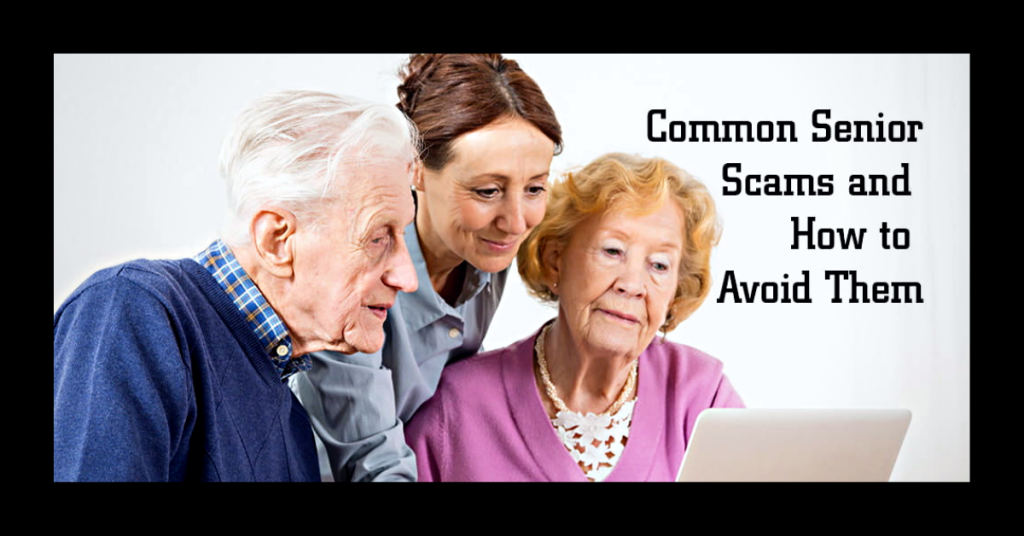
If you are younger and helping older relatives with holiday shopping or travel arrangements, you play a critical role in preventing scams:
- Encourage them not to click on links in unsolicited emails or texts.
- Teach them to verify any delivery notifications directly through official websites.
- Help them shop on trusted websites and explain how to check for secure connections and legitimate URLs.
- Advise them to use strong passwords and, if possible, two factor authentication.
- Assist them in setting up alerts for unusual charges on their credit or debit cards.
- Remind them to keep personal information private and to avoid sharing it over the phone or online with anyone they do not know.
By staying informed, cautious, and supporting your family members, you can protect both your financial and personal information. This proactive approach also helps reduce stress, allowing you to focus on enjoying your holiday travels. Just as in the article about managing stress during the travel holiday season, planning ahead, setting realistic expectations, and taking small daily steps to safeguard yourself can make your holidays more peaceful and enjoyable. Protecting your privacy is not just about security it is also a key part of keeping your mind calm and reducing anxiety during this busy time of year.
Leave a Reply