
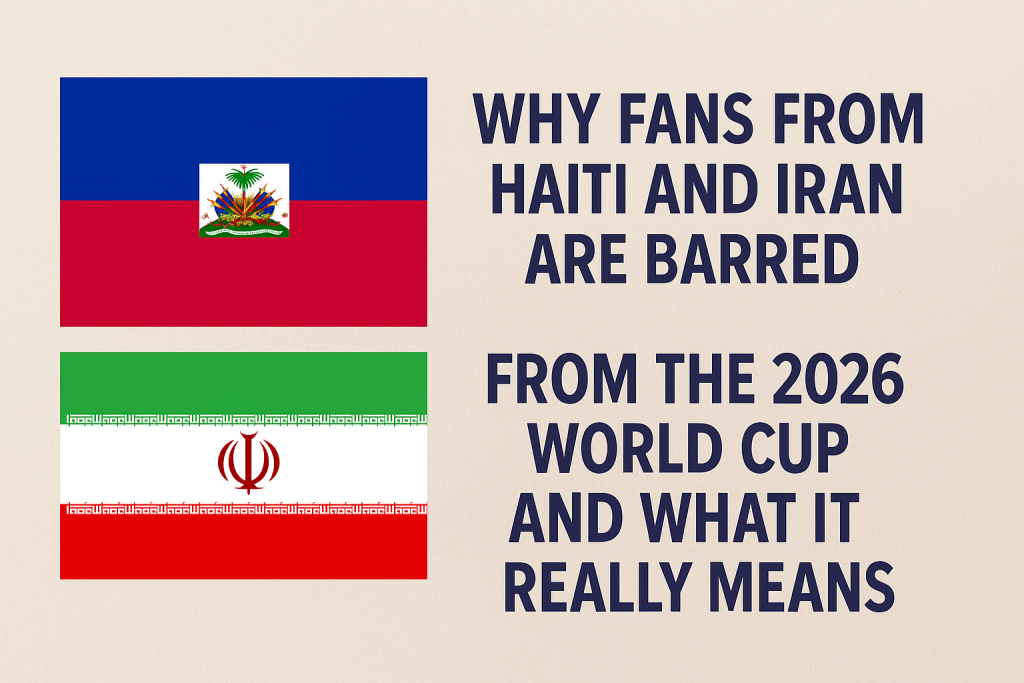
World Cup 2026: Why Haiti and Iran Fans Are Blocked. The excitement for the 2026 FIFA World Cup is building as the United States, Canada, and Mexico prepare to host the largest tournament in history. But for many supporters around the world, the celebration has already hit a painful barrier. Fans from Haiti and Iran have discovered that they may be unable to attend the World Cup in person due to the current United States travel ban. This has created confusion, concern, and a wave of questions from people who want to understand what this means for their teams and their travel plans.
Before the misinformation spreads, it is important to make one thing very clear. The national teams are not banned. The athletes, coaches, essential staff, and immediate support personnel are fully allowed to participate. The issue affects the fans, not the teams. The concern is rooted in travel restrictions put in place by the United States government, not a ruling by FIFA.
This article breaks down exactly why this is happening, who is affected, and why these concerns have reached the global sports world.
Why Fans From Haiti and Iran Cannot Enter the United States for the World Cup
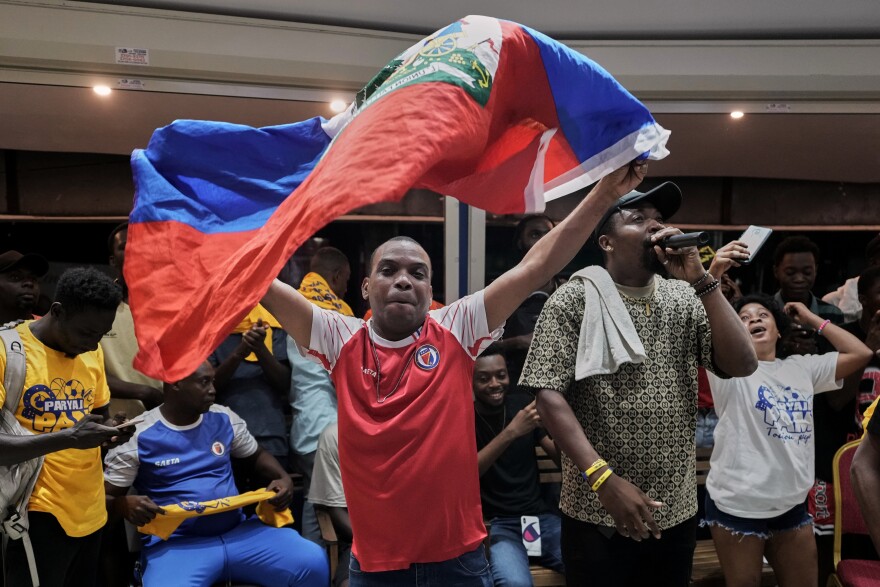
The reason fans are barred is simple. They fall under the current United States travel ban. This restriction affects both immigrants and nonimmigrants, which includes tourists and sports spectators.
The ban cites a combination of factors such as national security concerns, high levels of visa overstays, and lack of cooperation from certain countries in sharing security and identity information. Haiti and Iran are included in the list of nations facing these restrictions. This means their citizens cannot be issued new tourist visas unless they fall under a specific exemption category.
FIFA participants are exempt. Fans are not.
This is why the article from Bergen Record and related outlets noted that while the teams can take the field, the stands will be missing many of their most loyal supporters.
Why the United States Did Not Create a Fan Exemption
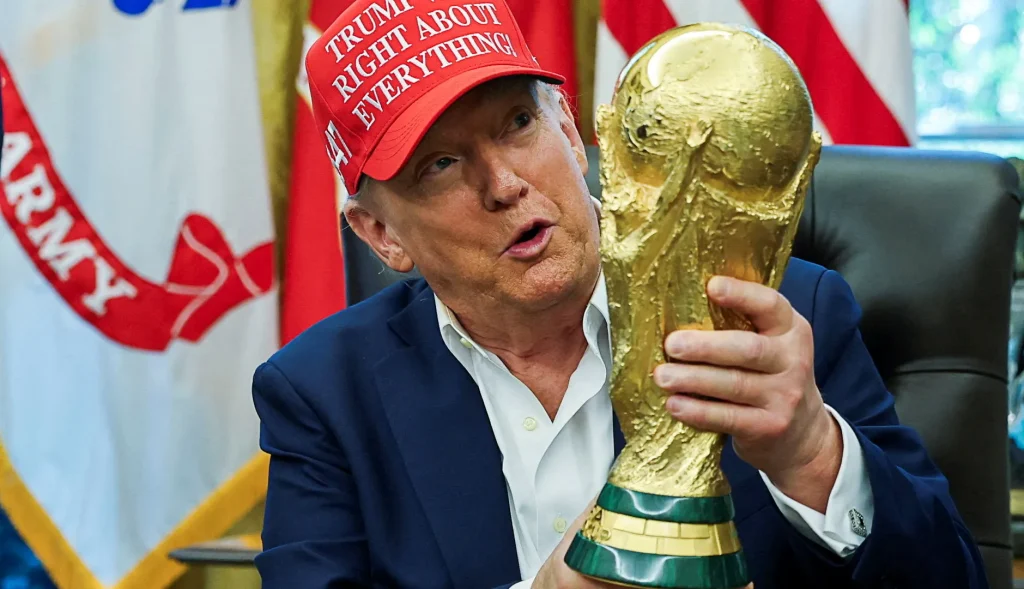
Before major sports events, governments sometimes create temporary entry allowances for guests. For example, diplomats, performers, and athletes often receive special accommodation. However, the United States exemption created for the World Cup applies only to individuals who are directly employed or required by the team.
This includes:
Players
Coaches
Medical personnel
Team coordinators
Equipment managers
Immediate family members who are essential to team travel
However, the exemption does not extend to general spectators. A fan with a ticket still counts as a tourist under United States law, and tourist visas for citizens of banned countries are currently restricted.
Why This Policy Is Creating Global Debate
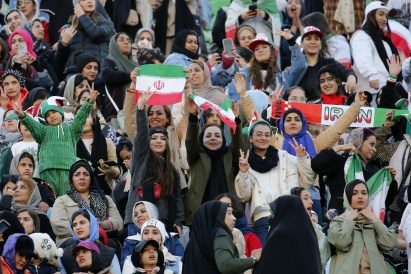
The decision has raised concerns because the World Cup is meant to be a unifying event. Many critics argue that the policy creates an unintended divide. It punishes fans for conditions in their home country that are beyond their control. For Haiti for example, the reasons cited for the ban include high visa overstay rates and instability within the nation. For Iran, the concerns stem from security issues and a lack of cooperation in identity verification.
Supporters of the policy argue that security protocols must remain consistent even during large events. They believe it would be unsafe or unfair to create exceptions that could be exploited.
The truth likely lies somewhere in the middle. It is understandable that governments want to protect national security. But it is equally understandable that fans feel left out of the global celebration.
Understanding the Difference Between a Team Ban and a Fan Ban
It is important to highlight again that this is not a ban affecting sports participation. Haiti and Iran have the right to compete if they qualify, and their athletes are fully welcome under the established exemption.
The ban affects only:
Spectators
Independent travelers
Family members not considered essential to team operations
Supporters traveling on tourist visas
This is why the headlines caused confusion. Many readers assumed the teams themselves were barred. In reality, it is simply the fans who are experiencing the impact.
Real Examples That Help Explain the Situation
Here are a few examples gathered from reporting across several outlets.
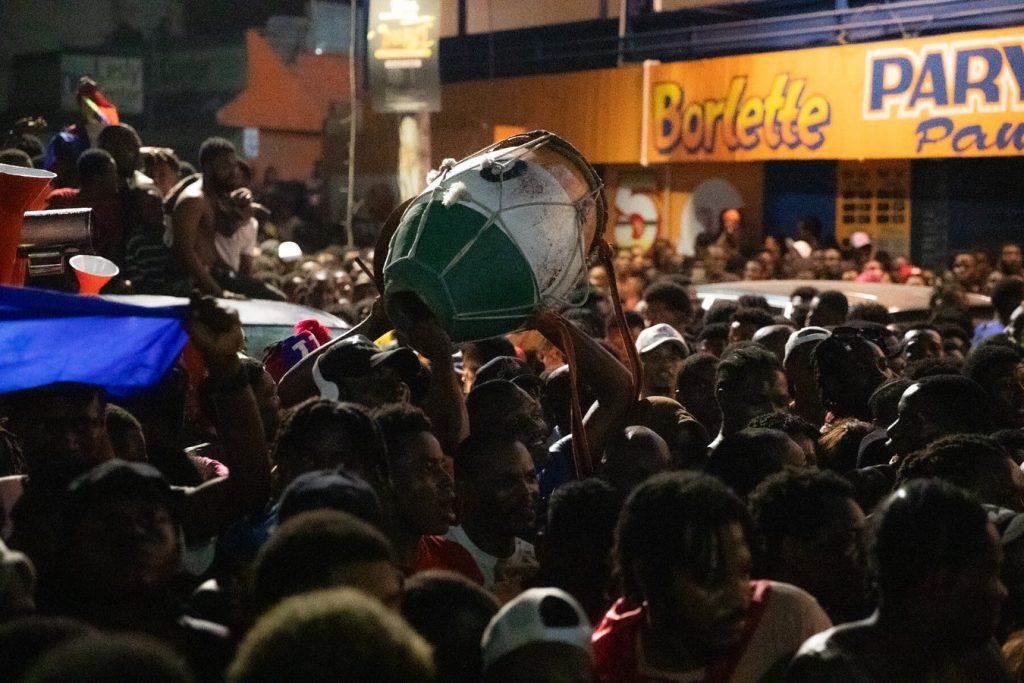
A fan from Haiti who planned to follow the team through the United States will not be approved for a new tourist visa under the current security restrictions. Even if they already bought tickets or arranged hotel accommodations, the visa process will deny them entry.
Meanwhile, a player from Haiti is fully allowed to enter the United States as part of the official team delegation. Their coaches, trainers, and essential support staff can travel as well.
A fan from Iran who has not previously held a United States visa cannot receive one for the tournament. However, if the person is a coach, a referee, or an accredited staff member, they are exempt.
These examples show that the policy is not about sports at all. It is entirely about immigration status and national security guidelines.
Why These Concerns Are Rising Now
There are three reasons this policy has become such an issue heading into the 2026 World Cup.
First, the World Cup is mostly in the United States
The majority of matches including the semifinal and final will take place on American soil. That means fans from restricted countries are effectively shut out of the most important games in the tournament.
Second, the number of affected countries is larger than in previous bans
Earlier restrictions affected a handful of nations. The current list is broader and includes countries with large football communities.
Third, social and political tensions are increasing worldwide
Governments are being more cautious about who enters the country, especially during global events that draw millions of visitors.
This combination magnifies the impact on fans.
Is There Any Possible Change Before the World Cup Begins
Policies can change, but at this moment there is no indication that a fan exemption will be introduced. There is also no sign that the travel ban will be lifted for Haiti, Iran, or other affected nations before the tournament.
Unless something changes at the administrative level, fans in these countries will not be able to enter the United States for World Cup matches.
So What Should Fans Understand Moving Forward
Here is the key message for readers.
Your national team is not banned.
The tournament is not excluding players.
FIFA has not removed any country from participation.
The travel ban affects only tourists, including fans. It is a political and security matter, not a sports ruling. And while it is disappointing and frustrating, the decision rests with United States immigration policy, not the World Cup organizers.
For now, the best approach is to stay informed, follow updates from immigration authorities, and understand that the situation may evolve but should not be assumed to change.
Leave a Reply