
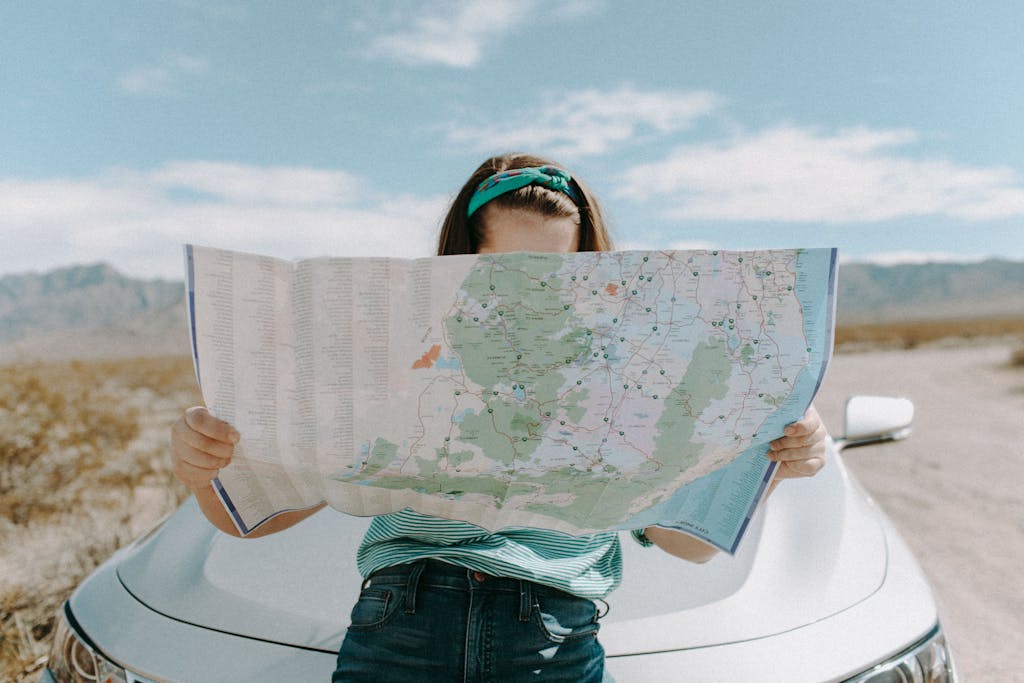
Travel has always been a symbol of freedom curiosity and self discovery. As 2026 approaches one of the most defining movements in tourism is the continued rise of solo travel. What was once seen as unconventional or even risky has become mainstream. Travelers of all ages backgrounds and life stages are packing their bags grabbing a passport and setting off alone to explore new cities remote landscapes and unfamiliar cultures on their own terms.
This shift represents more than a change in vacation habits. It reflects a broader cultural movement toward independence personal agency and intentional travel. Solo travel today is no longer about being alone it is about traveling with purpose.
A New Era of Solo Travel

According to recent travel industry reports solo travel continues to grow year over year with a significant portion of travelers now planning trips independently rather than with family or organized groups. Tour operators airlines and accommodations are responding by creating experiences designed specifically for individuals traveling alone including small group itineraries flexible booking options and community driven travel experiences.
Why is solo travel booming Many travelers are seeking flexibility deeper cultural immersion and the freedom to move at their own pace. Others see solo travel as a milestone celebrating graduation navigating a life transition or reclaiming time for themselves after years of putting others first. Retirees digital nomads students and professionals alike are choosing to explore the world independently.
Safety Confidence and Community
Safety remains one of the biggest considerations for solo travelers and the industry has adapted accordingly. Structured small group tours trusted local guides and well reviewed accommodations provide reassurance while still allowing travelers independence. Many solo travelers now blend freedom with structure booking group experiences while maintaining solo accommodations or flexible schedules.
Community also plays a major role. Online travel forums social media groups and apps dedicated to connecting solo travelers have transformed the experience. Travelers exchange safety tips itinerary ideas and destination insights before ever boarding a plane. Some meet fellow travelers at hostels group excursions or even at the airport proving that solo travel does not mean traveling in isolation.
Beyond the Tourist Trail
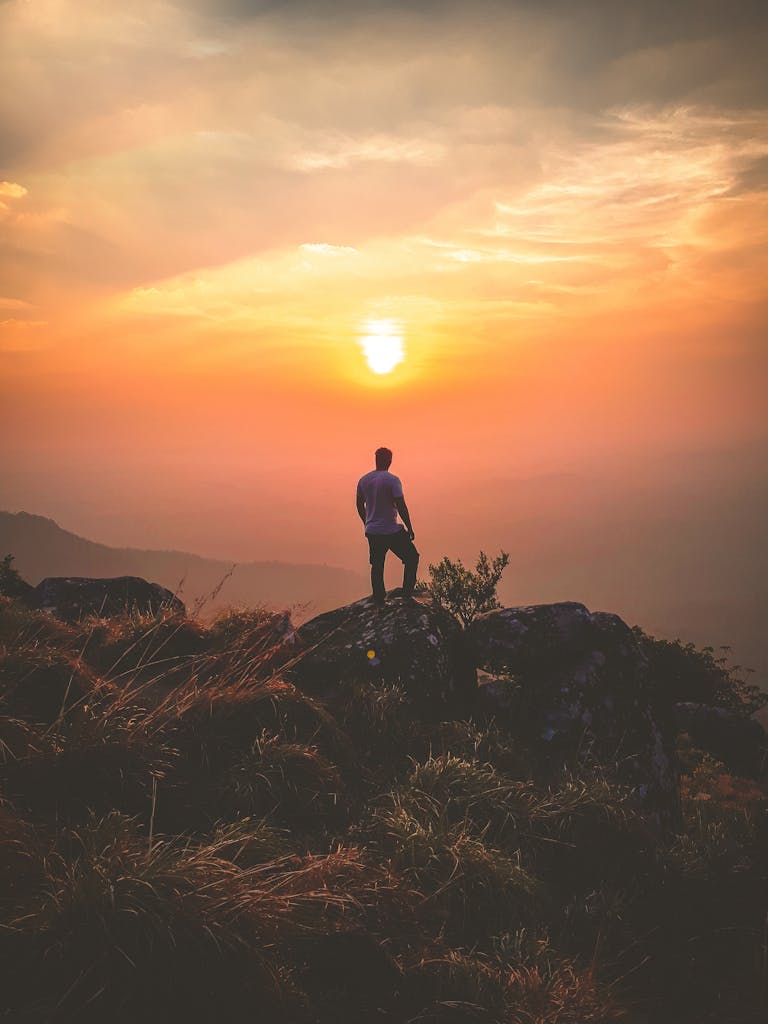
Solo travelers are increasingly shaping where tourism flows. Rather than visiting overcrowded hotspots many are intentionally choosing lesser known destinations that offer authenticity and cultural depth. Industry data shows a growing preference for under visited regions smaller cities and nature based destinations.
Countries and cities outside traditional tourism circuits are benefiting from this shift. Travelers are seeking places where they can connect with locals support small businesses and experience daily life rather than curated attractions. This approach helps reduce overtourism while allowing travelers to form more meaningful connections with the places they visit.
Personal Story From Uncertainty to Independence
When I planned my first solo trip excitement and anxiety went hand in hand. Would I feel comfortable navigating unfamiliar streets Could I adapt if something went wrong I chose a small group itinerary that balanced independence with structure allowing me to explore while still having support when needed.
The experience changed how I viewed travel and myself. Traveling solo forced me to problem solve communicate across cultures and trust my instincts. I met locals who shared their stories fellow travelers who became friends and discovered confidence I did not know I had. By the end of the journey I realized solo travel was not just about destinations it was about personal growth.
The Future of Solo Travel
The momentum behind solo travel shows no signs of slowing as the industry moves into 2026. Travel companies are expanding offerings for every demographic from students and working professionals to retirees and digital nomads. Interest based trips focused on hiking food wellness history or art are becoming increasingly popular.
Sustainability and social impact are also shaping the future. Travelers are becoming more conscious of how their choices affect local communities. Homestays locally owned tours and community based tourism initiatives are gaining traction as solo travelers seek meaningful responsible experiences.
Technology will continue to play a major role as well. Generative artificial intelligence travel planning tools and real time translation apps are making solo travel more accessible and less intimidating. From building custom itineraries to navigating transportation abroad digital tools are empowering travelers to explore independently with confidence.
Practical Tips for First Time Solo Travelers
Choose the right destination. Start with places known for strong infrastructure safety and accessibility. Research local customs before you go.
Blend independence with structure. Consider small group tours or guided experiences alongside solo exploration.
Stay connected. Use messaging apps keep loved ones updated and ensure you have reliable mobile data.
Pack smart. Travel light but bring essentials like document copies chargers and a basic first aid kit.
Trust your instincts. Awareness and confidence are key. If something feels off remove yourself from the situation.
Empowering the Independent Traveler
In 2026 solo travel has evolved into a defining force within the global tourism industry. Fueled by independence curiosity and a desire for deeper connection travelers are embracing the freedom to explore the world on their own terms. What was once considered unconventional is now a powerful expression of modern travel.
As more people choose to journey alone the industry continues to adapt offering flexible experiences supportive communities and tools that make independent travel safer and more rewarding. Solo travel is no longer about going it alone. It is about discovering the world and yourself one journey at a time.
Leave a Reply