
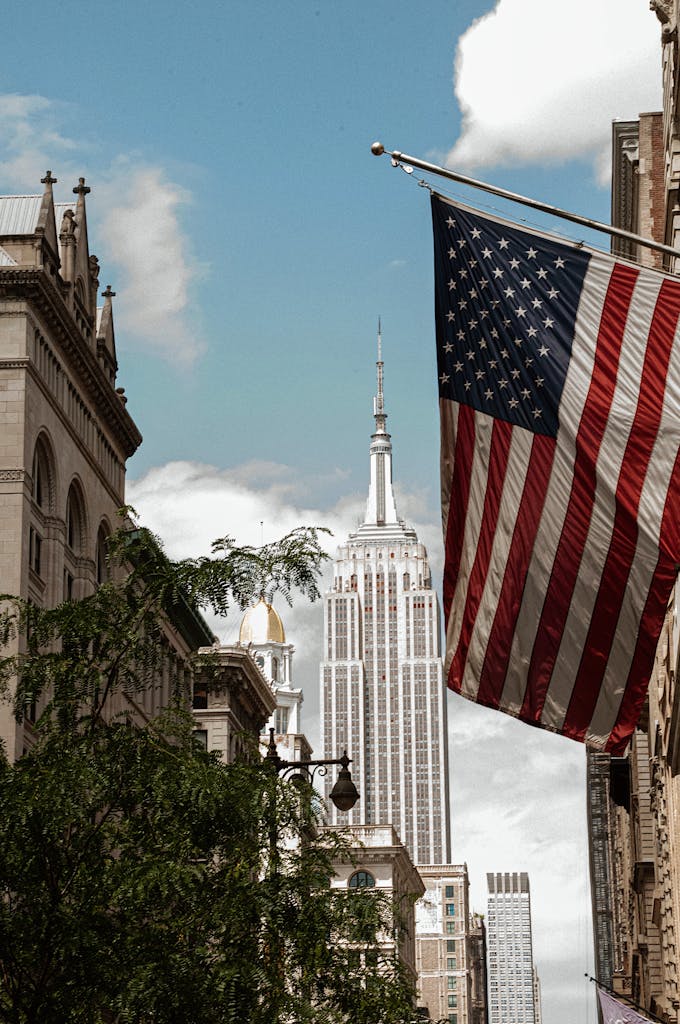
Domestic travel continues to be the backbone of the U.S. tourism industry in 2026. Trends from 2025 show clear patterns in where Americans are choosing to travel next. As international travel faces higher costs and ongoing uncertainty, many travelers are opting to stay closer to home. Destinations that offer strong experiences without leaving the country are seeing increased demand.
Data from travel platforms and industry forecasts highlight a mix of national park gateways, beach towns, and major cities seeing continued growth into 2026.
Booking trends from 2025 point to where that momentum is coming from. Nature-based travel remains strong as travelers seek space, flexibility, and outdoor experiences.
At the same time, event-driven city trips are gaining popularity for their concentrated and time-efficient experiences.
Domestic leisure travel spending growth forecasts, combined with rising search and booking activity, suggest these destinations are not only popular now but positioned to stay in demand.
Best Places to Travel in the US in 2026, Backed by 2025 Demand
Big Sky, Montana
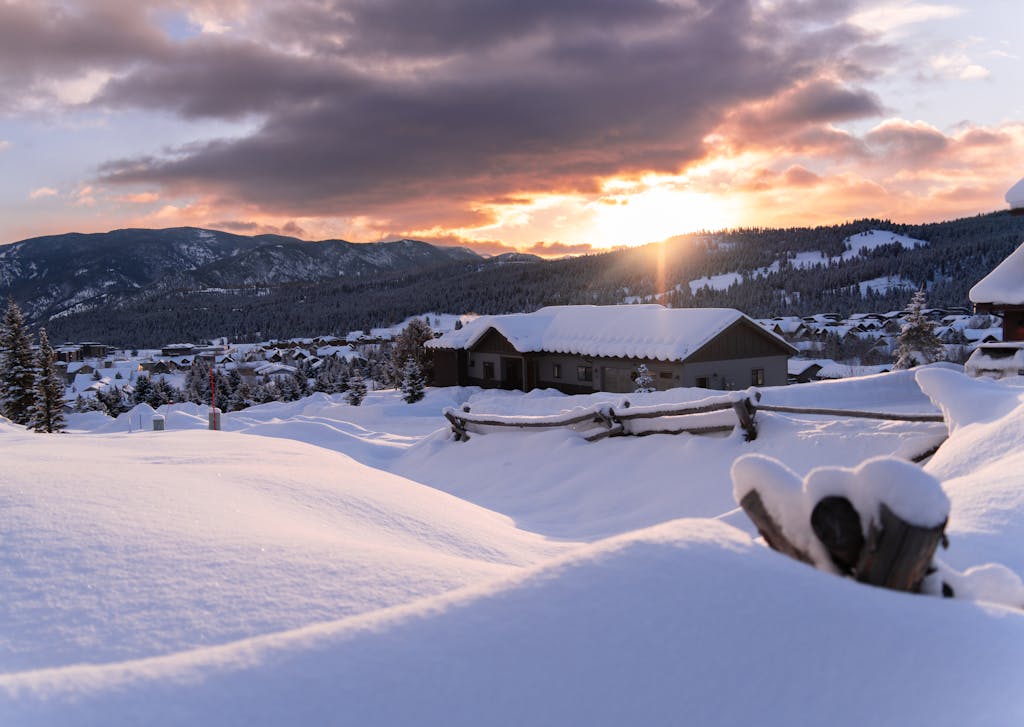
Big Sky is emerging as one of the fastest-growing US travel destinations heading into 2026. Expedia’s year-over-year search growth data shows a sharp increase in interest, signaling momentum that often carries forward into the next travel season.
Travelers are drawn to Big Sky for its access to Yellowstone National Park, world-class skiing, and wide-open landscapes that feel remote without sacrificing quality lodging and dining. The appeal lies in combining outdoor adventure with space, quiet, and increasingly upscale infrastructure.
Fort Walton Beach, Florida
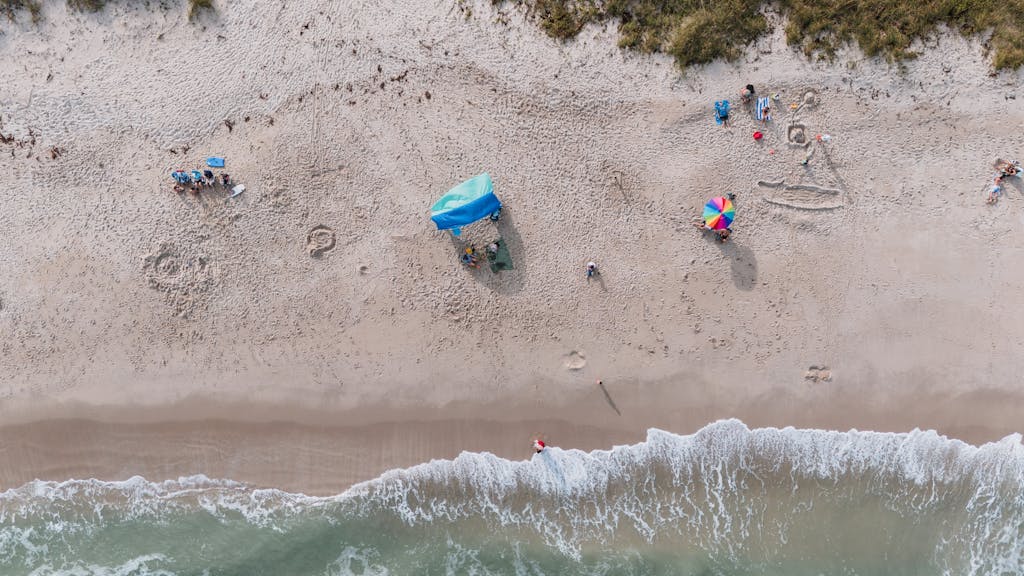
Florida remains a domestic favorite, but Fort Walton Beach is standing out as a quieter alternative to more crowded coastal hubs. Flight and accommodation search increases reported by major booking platforms show demand accelerating through 2025.
Travelers are choosing the area for its white-sand beaches, family-friendly atmosphere, and more manageable crowds. The destination benefits from strong summer and shoulder-season travel, making it attractive for longer stays and repeat visits.
Great Smoky Mountains National Park
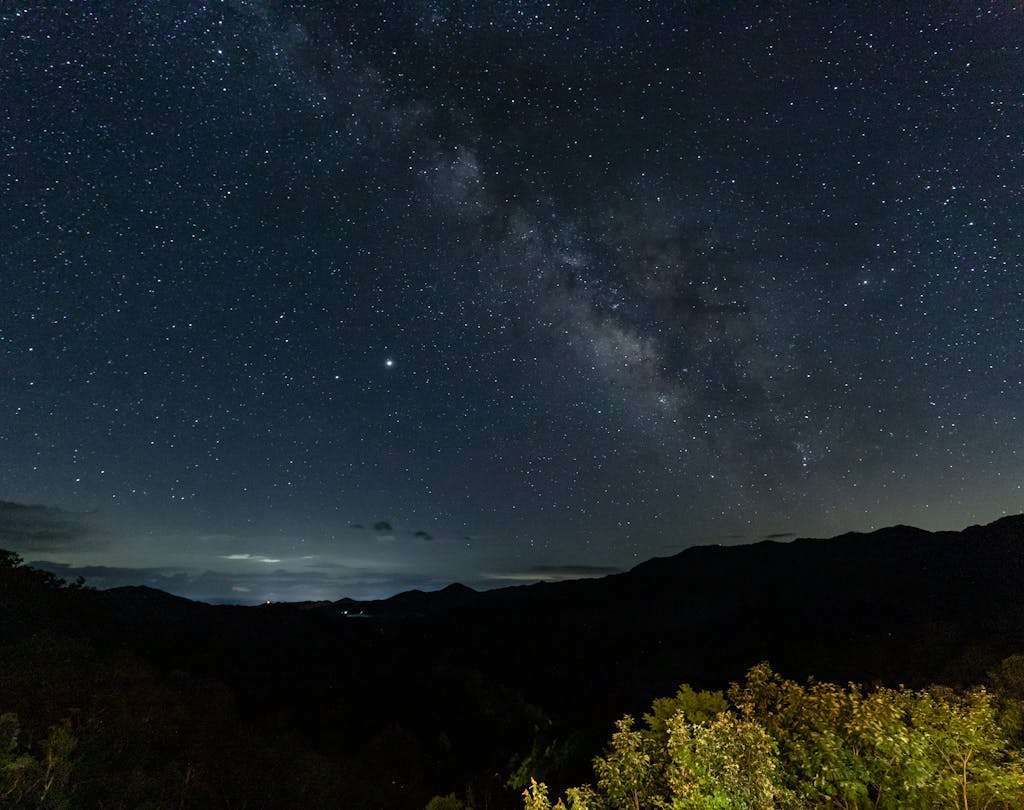
The Great Smoky Mountains continue to anchor domestic road trips across the Southeast. Search growth for stays near national parks shows this region drawing increased attention, especially among solo travelers and flexible remote workers.
The Smokies offer low-cost access to hiking, scenic drives, and cabin stays, making the area one of the most approachable national park experiences in the country. Its central location and year-round appeal help explain why interest remains strong.
Jackson Hole, Wyoming

Jackson Hole’s growth reflects travelers’ ongoing interest in high-impact nature destinations. National park adjacent travel trend reports show sustained demand tied to both Grand Teton and Yellowstone access.
Visitors are drawn to dramatic scenery, wildlife viewing, and a mix of rustic and luxury accommodations. Unlike winter-dependent ski towns, Jackson Hole benefits from strong summer demand, helping stabilize year-round tourism growth.
Acadia National Park, Maine
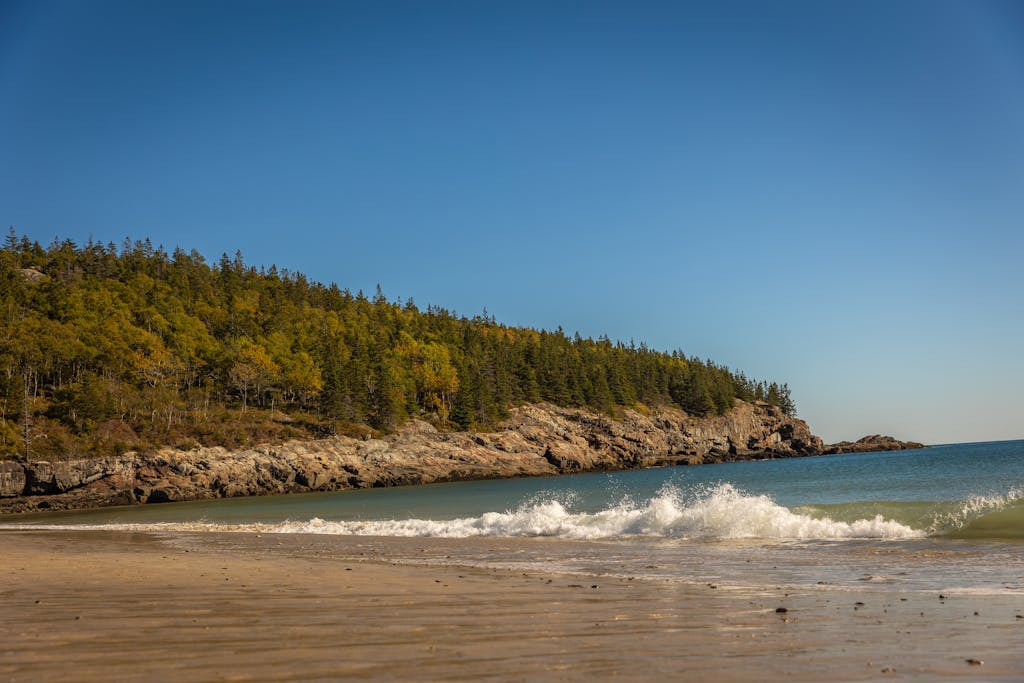
Acadia is seeing renewed momentum as travelers look for coastal destinations with built-in outdoor experiences. Rising search interest for US national parks places Acadia among the most watched destinations heading into 2026.
Visitors are drawn to the blend of ocean views, hiking trails, and classic New England towns. The park’s seasonal rhythm creates urgency, which often drives early bookings and repeat visits.
Shenandoah National Park, Virginia
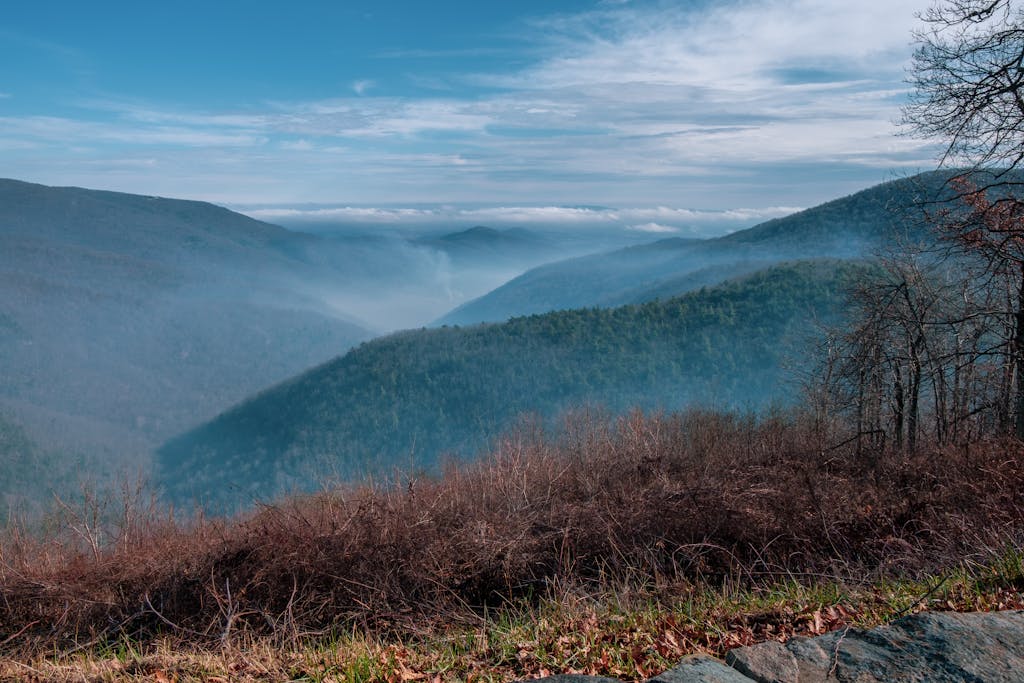
Shenandoah’s proximity to major East Coast cities is fueling its growth. Data tracking short-distance domestic travel trends shows increasing demand for destinations within easy driving range.
Skyline Drive, scenic overlooks, and weekend accessibility make Shenandoah especially appealing for travelers looking to disconnect briefly without extensive planning or expense.
Yosemite National Park, California
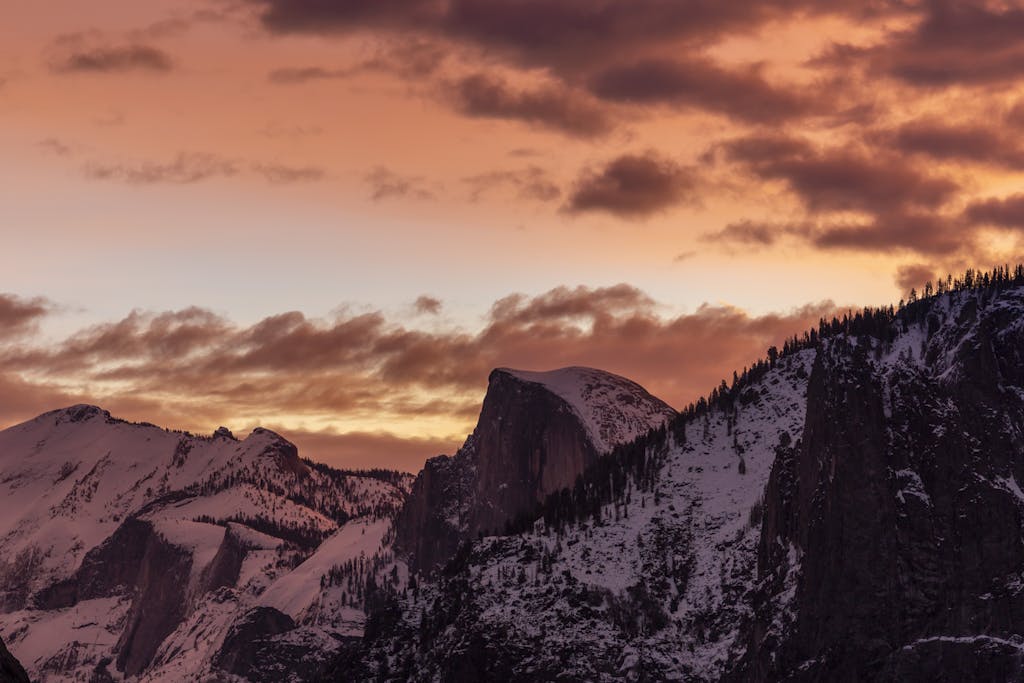
Yosemite remains one of the most recognizable natural landmarks in the US, and interest continues to rise alongside broader park tourism growth. Search data tied to national park travel planning shows Yosemite benefiting from both first-time visitors and return travelers.
Nearby towns and extended-stay options support longer visits, while iconic scenery keeps Yosemite firmly on bucket lists.
New York City, New York

While nature dominates much of domestic travel growth, cities tied to major events are also seeing renewed demand. Event-driven booking data tied to major international sports and entertainment calendars points to New York City as a top beneficiary heading into 2026.
Travelers are booking around concerts, sporting events, and cultural programming, often for short, high-energy trips that keep hotels and airlines busy year-round.
Why These Destinations Are Gaining Ground

Together, these locations reflect how Americans are traveling right now. Nature-focused trips offer space, flexibility, and value, while event-driven cities provide concentrated experiences that fit shorter schedules.
Domestic travel trend reports and booking platform forecasts suggest these patterns will continue through 2026, with travelers prioritizing destinations that deliver strong experiences without added friction.
As travel habits evolve, these destinations stand out not because they are new, but because they align with how Americans want to travel today.
Leave a Reply